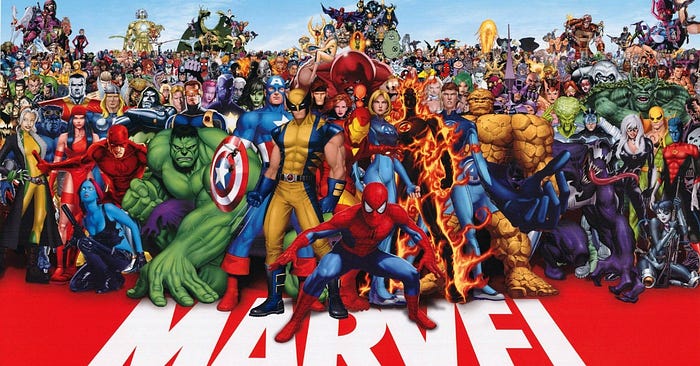

The Marvel Cinematic Universe (MCU) has captured the imaginations of millions worldwide with its epic tales of superheroes, advanced technologies, and mind-bending storylines. Behind the scenes, artificial intelligence (AI) has played a significant role in bringing these cinematic marvels to life. From creating lifelike CGI characters to developing innovative storytelling techniques, AI has become an indispensable tool in the MCU. This article delves into the fascinating ways AI is used in the Marvel movie series, exploring various technologies like nano AI, and how these innovations enhance the storytelling and visual experience.
The Evolution of AI in Marvel Movies
Since the inception of the MCU with "Iron Man" in 2008, AI has been a central theme and tool in the franchise. Tony Stark's AI assistant, JARVIS (Just A Rather Very Intelligent System), set the stage for how AI could be integrated into the Marvel universe. JARVIS, which later evolved into Vision, showcased the potential of AI as both a helpful assistant and a sentient being.
As the MCU expanded, so did the use of AI both on-screen and behind the scenes. The sophisticated CGI used to create characters like the Hulk, Thanos, and Ultron relies heavily on AI algorithms that simulate realistic movements and expressions. Machine learning techniques enable animators to create lifelike performances that blend seamlessly with live-action footage.
AI in Character Creation and Special Effects
Creating lifelike characters and stunning visual effects is one of the most challenging aspects of filmmaking. The MCU has pushed the boundaries of what is possible with AI and CGI, bringing iconic characters to life in ways that were previously unimaginable.
- Thanos: The creation of Thanos in "Avengers: Infinity War" and "Avengers: Endgame" is a testament to the power of AI in visual effects. Josh Brolin, who portrayed Thanos, wore a motion-capture suit that tracked his movements and facial expressions. AI algorithms then processed this data to animate Thanos' CGI model, ensuring that his performance was both realistic and emotive. The result was a villain who felt tangible and intimidating, despite being entirely computer-generated.
- Hulk: The evolution of the Hulk's appearance from "The Incredible Hulk" (2008) to "Avengers: Endgame" (2019) showcases advancements in AI-driven CGI. Initially, the Hulk's movements were created using keyframe animation, but later films used performance capture technology and AI algorithms to more accurately replicate Mark Ruffalo's performance. This allowed for more nuanced expressions and a more realistic portrayal of the character.
- Spider-Man: The integration of AI in the Spider-Man suit seen in "Spider-Man: Homecoming" and subsequent films is another example of how AI enhances character realism. The suit, designed by Tony Stark, includes an AI assistant named Karen, who provides Peter Parker with real-time analysis, tactical advice, and suit enhancements. This on-screen depiction mirrors the real-world use of AI in wearable technology, highlighting the synergy between fiction and reality.
Nano AI: The Future of Superhero Technology
Nano AI represents one of the most futuristic and exciting technological concepts explored in the MCU. The introduction of nanotechnology, particularly in "Avengers: Infinity War" and "Avengers: Endgame," has redefined what superhero suits and weapons can do.
- Iron Man's Nanotech Suit: Tony Stark's bleeding-edge nanotech suit, first seen in "Avengers: Infinity War," is a prime example of nano AI in action. The suit is composed of billions of nanobots that can reconfigure themselves into various forms and functions. This allows Stark to deploy weapons, repair damage, and adapt to different combat scenarios in real-time. The suit's AI, powered by FRIDAY, coordinates these nanobots to respond instantly to Stark's commands, providing him with unparalleled versatility and protection.
- Black Panther's Vibranium Suit: Shuri's design for T'Challa's Black Panther suit incorporates nano AI and vibranium technology. The suit can absorb and store kinetic energy from impacts and release it as a powerful offensive blast. This technology not only enhances Black Panther's combat capabilities but also demonstrates the potential of AI and nanotechnology to create adaptive and resilient materials.
- Ant-Man's Pym Particles: Although not directly related to AI, the Pym Particles used by Ant-Man to change size have been augmented with AI technology. The suit's AI system assists Scott Lang in controlling his size transformations, ensuring precision and safety during missions. This combination of Pym Particles and AI showcases the innovative ways technology can enhance superhuman abilities.
AI in Storytelling and Production
Beyond character creation and special effects, AI has also revolutionized the storytelling and production processes in the MCU. AI tools are used to analyze scripts, predict audience reactions, and optimize production schedules.
- Script Analysis and Story Development: AI algorithms can analyze scripts to identify plot holes, suggest improvements, and predict audience engagement. Marvel Studios uses these tools to refine their stories and ensure that they resonate with viewers. By analyzing data from previous films, AI can help writers and directors understand what elements are most likely to succeed.
- Audience Engagement and Marketing: AI-driven analytics tools are used to gauge audience reactions to trailers, teasers, and marketing campaigns. These insights help Marvel Studios tailor their promotional strategies to maximize engagement and anticipation. For example, AI can analyze social media trends to determine which characters or plot points are generating the most buzz, allowing marketers to focus their efforts on these areas.
- Production Optimization: AI-powered project management tools streamline the production process by optimizing schedules, managing resources, and predicting potential issues. These tools help ensure that filming stays on track and within budget, reducing the likelihood of delays and cost overruns. By leveraging AI, Marvel Studios can efficiently manage the complex logistics involved in producing blockbuster films.
The Future of AI in the Marvel Cinematic Universe
As AI technology continues to advance, its role in the MCU is likely to expand even further. Here are some potential developments we can expect in the future:
- Real-Time CGI: Advances in AI-driven rendering could enable real-time CGI, allowing filmmakers to see fully rendered scenes on set as they are being filmed. This would provide directors with greater creative control and enable more dynamic and immersive storytelling.
- Interactive Experiences: AI could enable interactive movie experiences where audiences can influence the storyline or explore different narrative paths. This could be achieved through AI-driven algorithms that adapt the film based on audience choices, creating a personalized and engaging viewing experience.
- Enhanced Virtual Production: AI-powered virtual production tools, like those used in "The Mandalorian," could become more prevalent in the MCU. These tools allow filmmakers to create virtual environments in real-time, reducing the need for physical sets and enabling more flexible and creative filmmaking.
- AI-Generated Characters: In the future, we may see AI-generated characters that can perform alongside human actors. These characters could be created entirely by AI, with algorithms generating their appearance, movements, and dialogue. This would open up new possibilities for storytelling and character development.
Conclusion
The integration of AI into the Marvel Cinematic Universe has transformed the way these iconic films are made and experienced. From creating lifelike CGI characters and enhancing special effects to developing innovative storytelling techniques and optimizing production processes, AI has become an essential tool in the MCU.
As AI technology continues to evolve, we can expect even more groundbreaking applications in the world of Marvel films. The future of the MCU is bright, and AI will undoubtedly play a crucial role in shaping it. By embracing AI, Marvel Studios can continue to push the boundaries of filmmaking and deliver unforgettable experiences to audiences around the world.