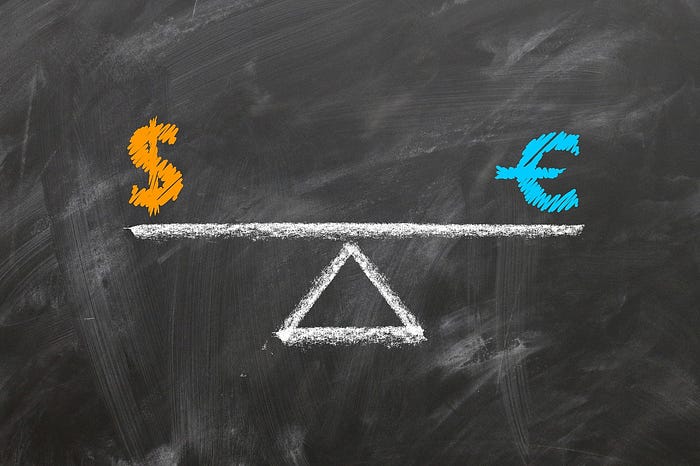


The Central Bank raised the dollar exchange rate by almost three rubles and temporarily refused to buy foreign currency on the domestic market.
The dollar exchange rate on November 28, 2024, was 108.01 rubles.
Euro — 113.09 rubles, 2.6 rubles more than on November 27. On this day on the international Forex market, the dollar crossed the 114-ruble mark and the euro rose above 120 rubles.
The yuan exchange rate on November 28 is 14.84 rubles. The exchange price exceeded 15 rubles and the over-the-counter price exceeded 15.8 rubles.
The purchase of foreign currency on the domestic market under the fiscal rule has been halted until the end of 2024 to "reduce volatility on the financial markets". When buying resumes, they will decide later "considering the current situation".
Among the factors negatively affecting the Russian currency: are a reduction in export revenues due to sanctions, "seasonal import purchases" and speculative sales of the ruble.
Some analysts believe that on December 20 the Central Bank will raise the key rate again — from 21% to 22–24%.
Head of the Central Bank Elvira Nabiullina and Deputy Head of the Presidential Administration Maxim Oreshkin.
Since June 2024, to calculate the official exchange rates of the dollar and the euro against the ruble, the Central Bank has used bank reports based on the results of transactions on the over-the-counter foreign exchange market. The regulator switched to this method after the Moscow Exchange came under US sanctions, so the site stopped trading in dollars and euros.
In October, Bloomberg's sources said that the Russian authorities had decided not to restrict the dollar's growth to 100 rubles. The weak ruble has turned from a problem into an advantage: it will provide additional revenues to the budget, the publication noted.