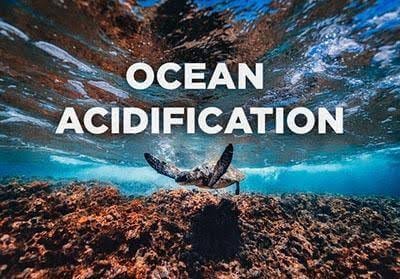

Ocean Acidification:
The Silent Threat to Our Planet's Lifeblood
The ocean, our planet's lifeblood, is facing a silent threat that could have far-reaching consequences for the entire ecosystem. Ocean acidification, a process caused by the absorption of carbon dioxide from the atmosphere, is changing the chemistry of the ocean, making it more acidic. This increase in acidity is having a devastating impact on marine life, especially organisms with calcium carbonate shells, such as corals, shellfish, and some plankton.
The Science Behind Ocean Acidification
The ocean absorbs about 25% of the carbon dioxide released into the atmosphere, which helps to slow down global warming. However, this process comes at a cost. When carbon dioxide reacts with water, it forms carbonic acid, increasing the ocean's acidity. This change in pH levels makes it harder for marine organisms to build and maintain their shells and skeletons.
The Impact on Marine Life
The effects of ocean acidification are widespread and varied.Coral reefs are some of the most diverse ecosystems on the planet, supporting a quarter of all marine species. Ocean acidification is causing coral bleaching, reducing their ability to build their skeletons, and making them more susceptible to disease. - Shellfish: Many shellfish, such as oysters, mussels, and scallops, are struggling to build and maintain their shells. This makes them more vulnerable to predators and reduces their ability to reproduce. - Pteropods: These small marine snails are an essential food source for many marine animals, including fish, seabirds, and marine mammals. Ocean acidification is causing their shells to dissolve, making it harder for them to survive.
The Ripple Effect
The impact of ocean acidification goes beyond the individual organisms. It has a ripple effect throughout the entire ecosystem:
- Food Chains: The decline of key species can have a cascading effect on the food chain, impacting the entire ecosystem. - Ecosystem Services: Coral reefs and shellfish beds provide essential ecosystem services, including coastal protection, water filtration, and nursery grounds for fish. - Human Communities: Ocean acidification is affecting the livelihoods of people who depend on the ocean for food, income, and recreation.
Solutions and Actions
While the situation may seem dire, there are steps we can take to mitigate the effects of ocean acidification:
- Reduce Carbon Emissions: The most effective way to combat ocean acidification is to reduce our carbon footprint. Transitioning to renewable energy sources, increasing energy efficiency, and protecting natural carbon sinks like forests can help. - Support Marine Protected Areas: Establishing marine protected areas can help reduce the stress on marine ecosystems, allowing them to recover and adapt to the changing conditions. - Promote Sustainable Fishing Practices: Encourage sustainable fishing practices, such as catch limits and marine reserves, to help maintain healthy fish populations. - Support Ocean Acidification Research: Continued research is essential to understanding the impacts of ocean acidification and developing effective solutions.
Conclusion
Ocean acidification is a silent threat to our planet's lifeblood, with far-reaching consequences for the entire ecosystem. While the situation is urgent, it's not too late to act. By reducing our carbon footprint, supporting marine protected areas, promoting sustainable fishing practices, and funding research, we can help mitigate the effects of ocean acidification and ensure a healthy ocean for future generations. The ocean is our planet's lifeblood; let's work together to protect it.
Thanks for reading!