

None paying members can read here.
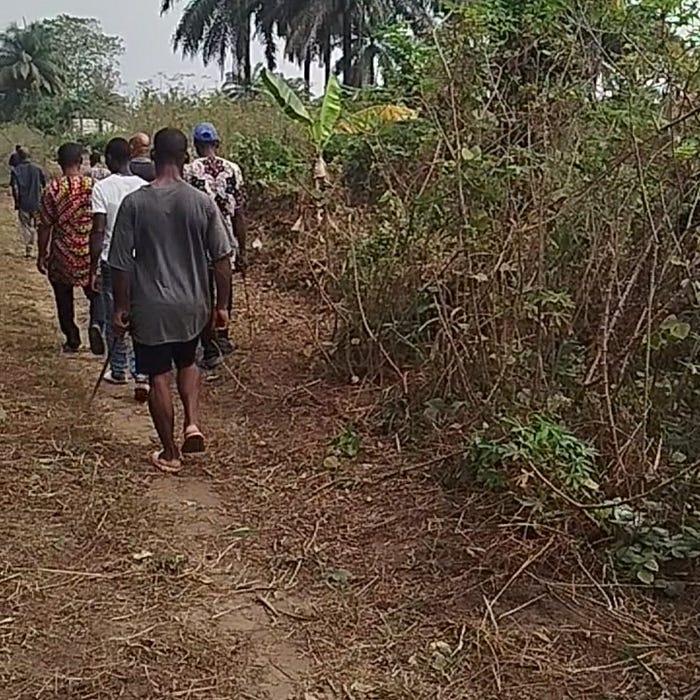
Sanitation Saturdays—usually held on the last Saturday of each month—are government-mandated community cleaning days in my country. These days encourage citizens to come out, roll up their sleeves, and clean their surroundings.
For me, Sanitation Saturdays aren't just about keeping the environment tidy. They represent community, responsibility, and personal growth. It's a culture deeply rooted in me and many others I know.
A Tradition That Shaped My Childhood
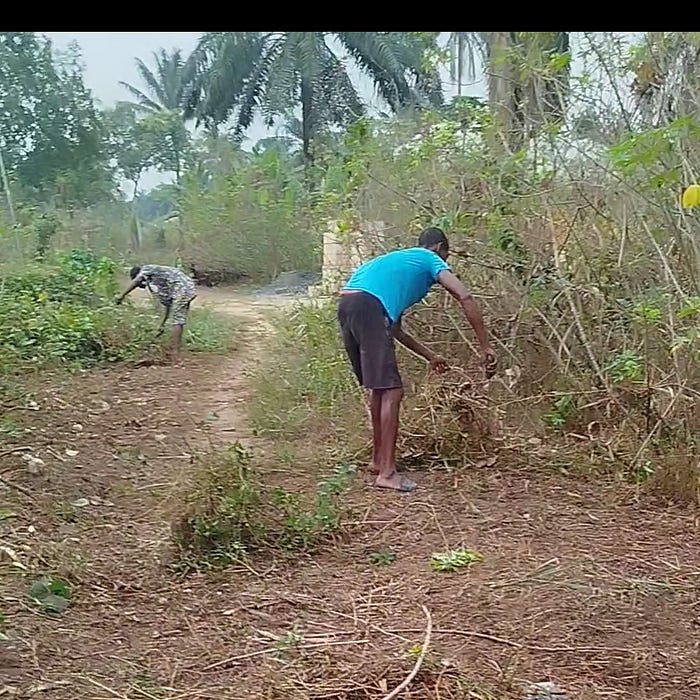
Growing up, Sanitation Saturdays were more than a monthly routine—they were a community event. Neighbors would gather early in the morning, armed with brooms, machetes, rakes, and spades, ready to take on tasks like filling potholes, trimming overgrown trees, and clearing trash that had piled up during the month.
I loved these days, not just because of the work but because of the sense of togetherness they brought. People who rarely crossed paths during the week would finally see each other—there were smiles, small talk, and laughter echoing through the streets. It felt like a mini festival of hard work and happiness.
After the work was done, neighbors often chipped in to buy water, drinks, and snacks, turning the end of the clean-up into a small community gathering.
My Early Responsibilities: Learning Life Lessons
As a child, I had my fair share of duties during Sanitation Saturdays, though they were simple compared to the adults' tasks. Two responsibilities, however, stuck with me the most:
1. Mopping the Front Porch: Our house shared a porch with three other tenants. My job was to mop it every sanitation day. I remember grumbling to my mum about having to clean it alone, especially since the other tenants barely participated. One time, in protest, I only mopped the area in front of our own door.
My mum noticed immediately. "Who did you leave the rest for?" she asked. Then, she shared a piece of wisdom that's stayed with me ever since: "Always do your best, no matter who else is doing the work. It's about your character, not theirs."
That lesson became a guiding principle in my life. Even now, I focus on giving my best effort, whether others pull their weight or not.
2. Packing Trimmed Flowers: Another task I had was packing the trimmed flowers after my dad was done landscaping. Sometimes, we'd dump them at a neighbor's farm behind his house to use as manure; other times, we took them to my grandfather's nearby farm.
These trips were more than just chores—they were mini-adventures. My siblings and I loved visiting our grandfather's house, especially since we rarely got permission to go there on regular days. Under the guise of "work," we'd end up playing soccer with my mum's stepbrothers and neighborhood kids, running around gleefully until it was time to head home.
Dad's Perfect Trim and Mum's Hearty Breakfasts
My dad was the real MVP of Sanitation Saturdays. Whenever he was home from work, he'd pull out an old drum to stand on and trim the flowers around the house using his trusty shears. He had a skill for keeping all the flowers at the same level, giving our front yard a pristine look that lasted weeks.
After the morning's hard work, there was always a delicious breakfast waiting, courtesy of my mum. While the men handled the heavy labor, the women—like my mum and sisters—would stay back to prepare food in different homes. That post-cleanup breakfast always felt like the ultimate reward.
From Town to Rural Life: A New Kind of Work
For the past three years, I've been living in a rural community, and Sanitation Saturdays here feel… different.
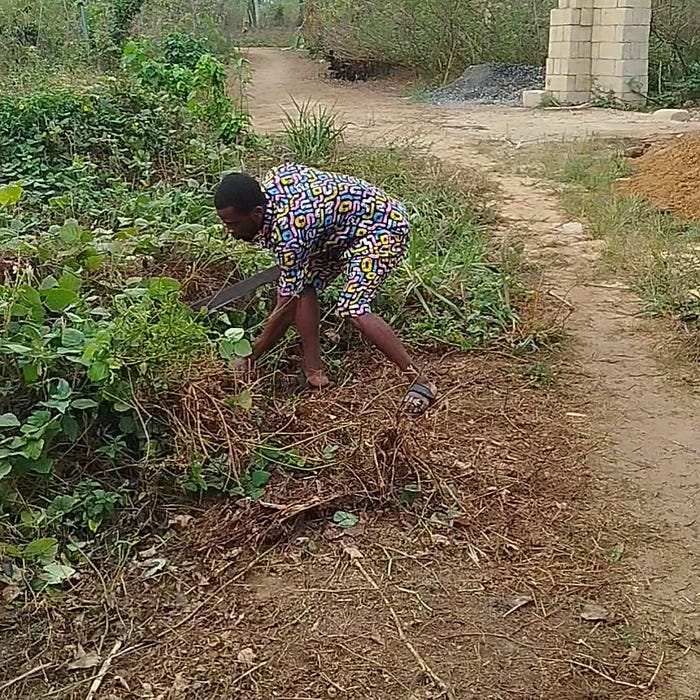
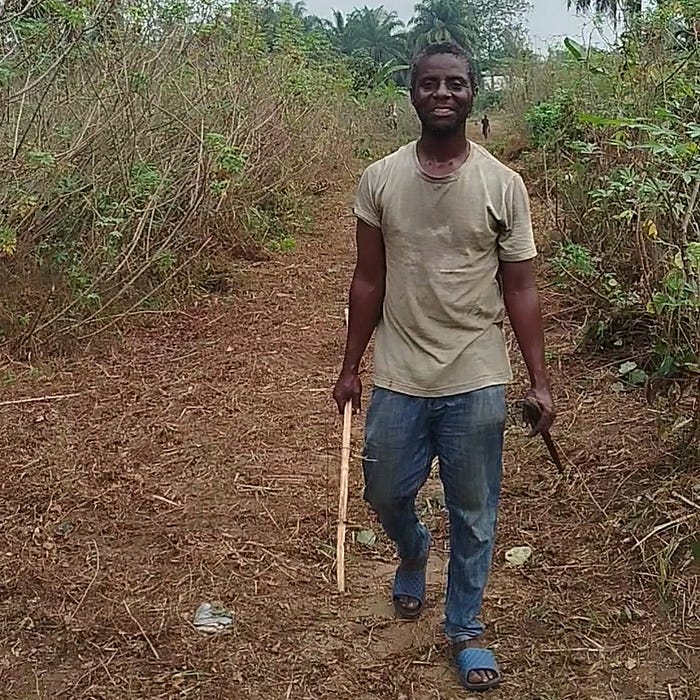
In the town I grew up in, the municipal government handled tasks like trash collection and street maintenance. But in the rural areas, the responsibility falls squarely on the community. Streets aren't paved, and during rainy seasons, grasses and shrubs grow wild, demanding real, back-breaking work to clear.
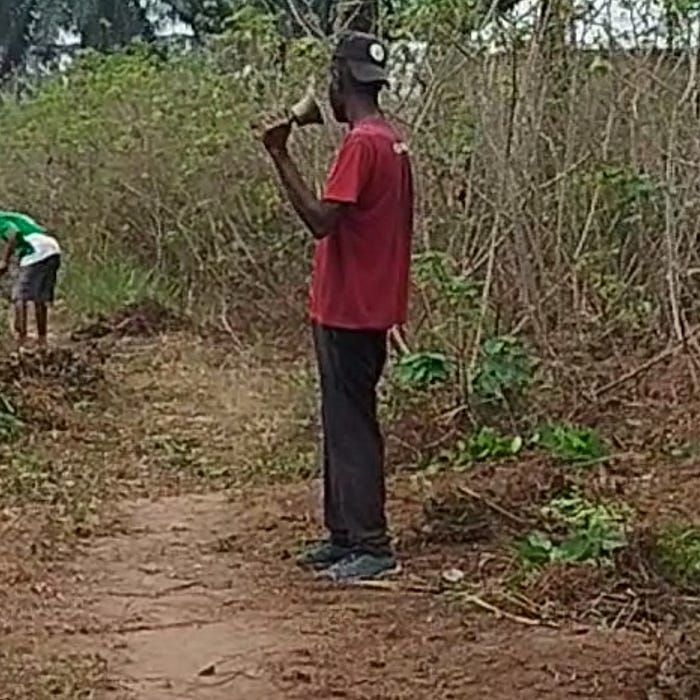
Usually, in my community, Sanitation Day commences with a bell being rung the previous evening by an appointed pro in our street. That way, people who didn't know it's Sanitation Day are notified, either the evening before or on the morning of the event.
At first, this was a shock. As a kid, I avoided menial labor as much as possible. I hated "Labor Days" in school, where we were forced to cut grass and weed. I thought it was too hard and often found ways to dodge the responsibility—sometimes getting friends to help me, other times accepting punishment when I didn't finish my assigned portion.
I got flogged more times than I can count for not completing my tasks. Eventually, I accepted the flogging as a better alternative to the work.
But life has a funny way of bringing you full circle.
A Shift in Mindset: Embracing the Work I Once Hated
These days, I approach menial labor with a mindset I never had as a kid.
I no longer see the work as a punishment or something beneath me. Instead, I see it as an opportunity—an exercise in patience, endurance, and personal growth. I've learned to break big tasks into smaller, manageable parts and focus on one thing at a time.
This mindset shift has been liberating. Tasks that once felt impossible now feel achievable. I no longer get overwhelmed by how much there is to do; instead, I focus on doing the job well.
Sanitation Saturdays have become my personal gym—both mentally and physically. Each time I engage in heavy labor, I test my limits, and it feels good to come out on top.
Dirt Isn't Dirty: Redefining My Relationship with the Earth
Growing up, I always associated dirt with being dirty. But I've come to realize that there's a difference. Getting your hands dirty while gardening, cutting grass, or digging pits isn't something to shy away from.
It's a connection to the earth—a reminder of where we come from. Working with soil brings us closer to nature, the very source of everything we see around us.
This new perspective has changed how I view not just labor but life itself.
Breaking Stereotypes and Building Community
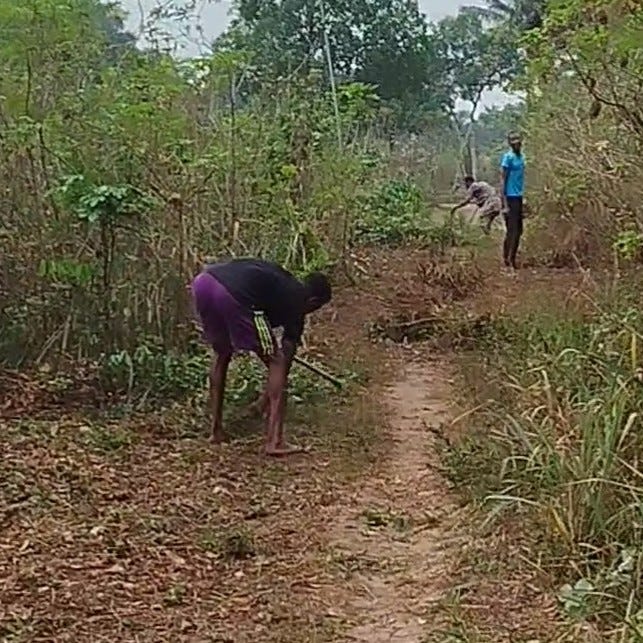
Before moving to a rural community, I heard stories about locals being hostile toward outsiders. But now I realize that sometimes, it's not about hostility—it's about pride. Some outsiders refuse to participate in community tasks, seeing them as beneath them, which naturally creates tension.
I took a different approach. Over the past three years, I've fully immersed myself in community life—joining sanitation efforts, attending meetings, and volunteering whenever possible. This involvement has made my experience smoother and helped me build friendships.
Even when I can't take on the heaviest task, I ensure that whatever I do is done with dedication. That alone has earned me respect in the community.
Today's Sanitation Day: A Celebration of Community
Today, the last Saturday of February 2025, the community gathered once again. Almost everyone showed up—except those who had dutifully requested permission to skip.
Coincidentally, we worked on my street today. With fewer houses and residents, cleaning the overgrown grass is always a bigger challenge. But everyone pitched in.
The Obong Efak—our street chief—led by example, machete in hand. He was only recently appointed but has already shown signs of strong leadership.
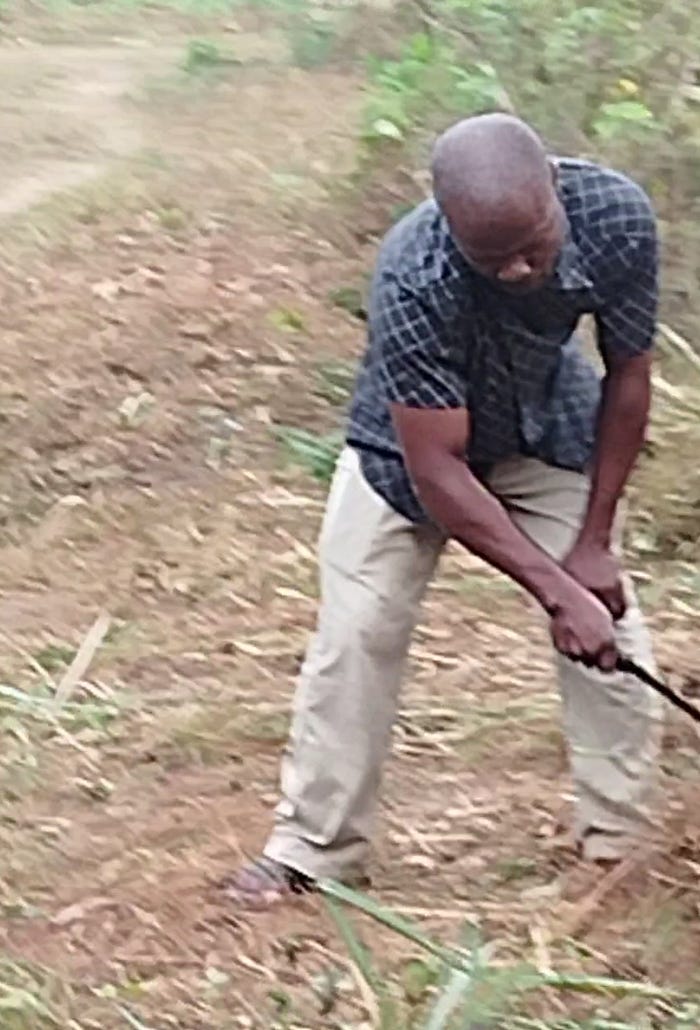
The atmosphere was light and joyful. The weather was perfect, and as we worked, there was plenty of laughter and friendly conversation.
After the clean-up, we all visited a sick community member—a former Obong Efak. We spent time with him, shared stories, and collected voluntary donations to help with his medical needs.
Walking back home, I felt deeply grateful. Grateful for the community, for the experience, and for the personal growth these Saturdays continue to offer me.
Final Thoughts: More Than Just Cleaning
Sanitation Saturdays have evolved from mere community cleaning days into personal milestones for me. Each one is another opportunity to grow, to connect, and to reflect on who I am and who I'm becoming.
They remind me that even the simplest tasks—like cutting grass or mopping a porch—carry lessons about responsibility, community, and resilience.
Most importantly, they've taught me this: sometimes, the things we once dreaded become the very things that shape us.

Thanks for reading Life's's Moments And Events ! Subscribe for free to receive new posts here.
If you enjoyed my art and would like to support my work, you can do so here.