

They say love is all about connection, but in digital marketing, connection is a strategy. Over the semester, I realized creating a digital marketing plan isn't just about KPIs, ad spend, or influencer engagement. It's about understanding the tensions, patterns, emotions, and platforms that drive humans and brands to thrive. So, I couldn't help but wonder:
What are the five things I'd never forget when building a digital marketing strategy, whether for a brand, a campaign, or my own career?
1. Find the Cultural Tension and Don't Be Afraid to Push It
In a world where everyone wants to belong, brands that dare to question why we believe what we do stand out.
As Bud Caddell defines it, "cultural tension is when beliefs held by the target are in conflict with one another." Think of Dove's "Real Beauty" campaign. We buy makeup to feel beautiful, yet advertising often makes us feel less so. Great strategies live in that contradiction.
Brands that acknowledge this push-pull, confidence vs. comparison, and connection vs. consumption build trust because they're real. A cultural tension isn't a risk; it's a mirror.

2. Stop Blending In
When everyone's saying the same thing, silence speaks louder.
Caddell reminds us, "most clients don't want to spend millions of dollars to blend in." Yet so many do. Every car-insurance ad has its Gecko or Flo. Every skincare brand shows glowing skin under a perfect sunset.
The most memorable campaigns dissect what's "tired, inspired, and plain dead" in their category and then rebel. Being bold in a sea of sameness isn't just branding; it's survival.
3. Lead with Emotional Awareness (Even in a Data-Driven World)
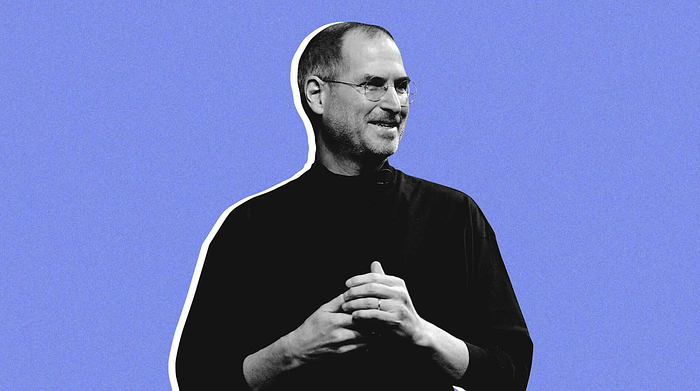
Steve Jobs once said that creativity isn't just about technology, it's about empathy. As one reading noted, he "could size people up, understand their inner thoughts, cajole them, intimidate them, target their deepest vulnerabilities, and delight them at will."
That's emotional intelligence turned into innovation. He didn't just make computers — he made interfaces "like a sunny playroom."
In marketing, numbers will tell you what's working. But empathy tells you why. The most successful digital strategies merge data with the deeply human — and that's something no algorithm can replicate.
4. Choose the Right Channel
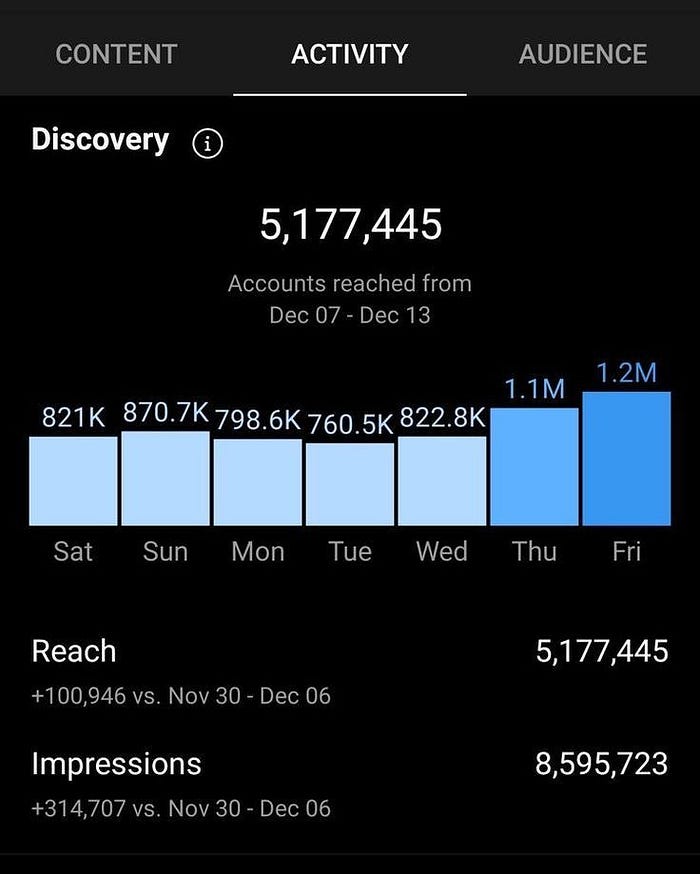
You can have the best apology, product, or post, but if it's on the wrong platform, it's like delivering a meal to the wrong table.
As Hootsuite's guide puts it, "your chosen channel affects the message you send. This is exponentially more true when dealing with a crisis." When Google used X (formerly Twitter) to admit its AI "missed the mark," the platform choice mattered. It was public, immediate, and showed accountability.
Every channel carries tone. TikTok is humor and authenticity. LinkedIn is credibility and thought leadership. A digital strategist's job isn't just to speak, it's to speak in the right place.

5. Listen Like You Mean It
Once your campaign goes live, your job doesn't end. It begins again, in the comments section.
Hootsuite's Step 7 reminds us: "Monitor and respond to audience feedback." Social listening isn't a buzzword; it's a brand's superpower. It's how we track shifts in sentiment, understand cultural context, and rewrite the narrative in real time.
If marketing is a relationship, then social listening is how you keep it from breaking up.
In Conclusion
Maybe digital strategy isn't just about mastering the latest tool, it's about mastering the timeless truth of connection. Whether through cultural tension, breaking norms, emotional awareness, channel choice, or feedback loops, the most successful brands remember one thing: behind every click, there's a heartbeat.
And as I've learned, that's the kind of data worth marketing to.