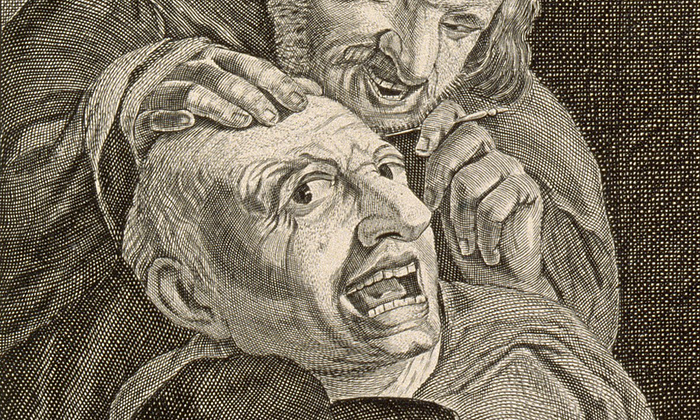


School teachers often use the phrase "Terrible Tudors" to describe the Tudor era (1485–1603), and this alliterative description is pretty accurate, all things considered.
Despite the booming benefits of overseas trade and the rise of Renaissance ideas, the reign of the Tudors was — in some ways — an unpleasant and disgusting time in British history.
1. Barber-Surgeons Conducted Horrific Medical Procedures
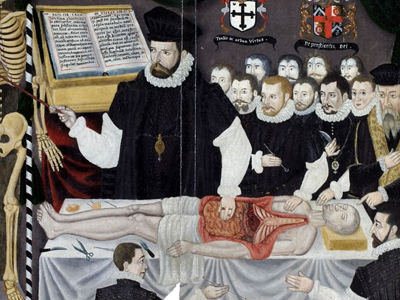
Medical practices weren't very sophisticated during the reign of the Tudors, and one of the most common "cures" for illness and disease was blood-letting.
This involved removing blood from a vein via venipuncture or by placing leeches on the naked body. Supposedly, this would cure the patient by removing their bad blood. There was a religious element too, for many monks believed blood-letting could rid a man of his sins.
Blood-letting was often carried out by barber-surgeons rather than physicians, as the latter were scholarly and spent much of their time writing books. These barber-surgeons also carried out some truly barbaric practices. They would cauterize wounds with burning iron, amputate limbs, and pull out rotten teeth with tongs, all without anesthetic!
To help the patient get through the procedure, they would be given a good dose of alcohol before being held down by the barber-surgeon's assistants.
2. Sugar Led to an Epidemic of Black Teeth
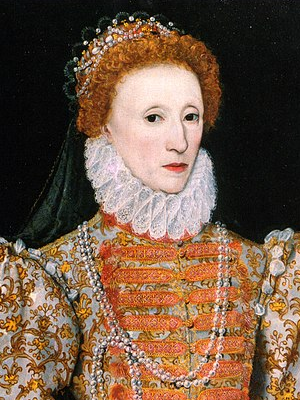
As mentioned above, barber-surgeons frequently had to pull out teeth during the Tudor era, and part of the reason for this was the damage caused by imported sugar.
In 1598, the European traveler Paul Hentzner observed that many sixteenth-century Englishmen and women (including Elizabeth I) had black teeth. This is hardly surprising given their fondness for puddings, pastries, biscuits, and honey.
Those who could afford to gorge on sweet treats became immensely fat, with their large bulk and rotten teeth signifying their wealth. Indeed, while the French had a reputation for lust and the Germans had a reputation for drunkenness, sixteenth-century Englanders were famous gluttons.
3. Henry VIII had a Cook Was Boiled to Death
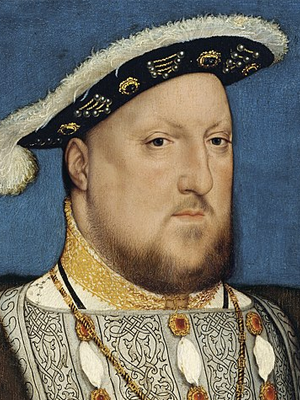
Henry VIII is the most well-known figure from the Tudor era. In addition to clashing with the Pope and founding the Church of England, he's also remembered for having six wives, two of which were beheaded.
In February 1531, a cook named Richard Roose, who was employed by John Fisher, the Bishop of Rochester, poisoned a cauldron of broth, supposedly under the instructions of Thomas Boleyn or Anne Boleyn. (The Boleyns disliked the bishop for his defense of the indissolubility of marriage and support of Catherine of Aragon.)
The poisoning resulted in two fatalities, though the Bishop of Rochester wasn't one of them. Henry, despite his disagreements with the bishop, was outraged by the whole affair and went to the House of Lords to condemn the poisoner. Parliament then passed a new law that made poisoning a form of high treason with a particularly nasty punishment: being boiled alive.
Roose was executed in accordance with the new law, which remained in place for sixteen years until it was abolished in 1547.
4. Bloody Mary Burned Hundreds of Protestants
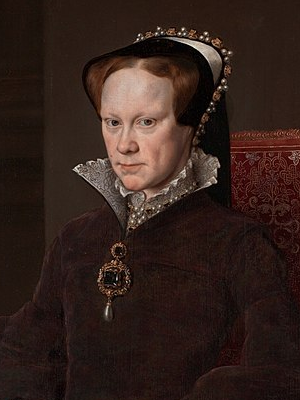
While her father might be more notorious, Mary I (often referred to as Bloody Mary) was equally barbaric.
Like her mother Catherine of Aragon, Mary was a devout Roman Catholic who detested Protestantism. She oversaw the restoration of the babaric medieval heresy statutes in England. Henceforth, heretics were handed over to the civil authorities and burned alive.
The burnings started in February 1555. Prominent among the condemned heretics was John Hooper, the puritanical Bishop of Gloucester. Later in the year, bishops Hugh Latimer and Nicholas Ridley were also burned alive.
These public executions garnered large crowds, who were willing to endure the scent of burning human flesh. But despite the popularity of the burnings, the public soon turned hostile, viewing Mary as a bloodthirsty tyrant.
In total, three hundred Protestants were burned alive during Mary's brief reign as Queen of England.
Sources
Great Tales From English History (2005) by Robert Lacey
Henry VIII: The Life and Rule of England's Nero (2013) by John Matusiak