
Ancient Rome is not only one of the most extensive and powerful empires in human history. Unlike many others, such as the empires of Alexander the Great and Genghis Khan, it lasted not just for centuries but for more than a millennium. Its history spanned from April 21, 753 BC (the official founding date of Rome) to May 28, 1453 AD, when the Turks' conquest of Constantinople marked the end of the Eastern Roman Empire. Traces of the Romans — roads, bridges, ruins of villas and palaces, baths, and stadiums — can still be found across a vast expanse from Britain and Spain to Armenia and Egypt. Many states have declared themselves the heirs of the Roman Empire, but the Roman people, once numerous, dissolved among the barbarian hordes that flooded the empire.
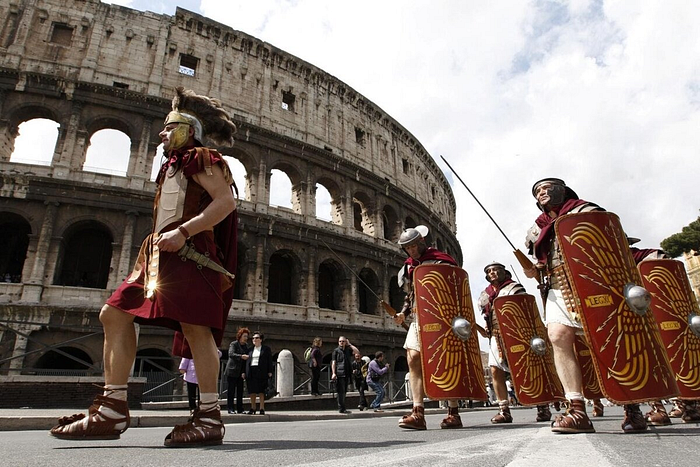
Which of the peoples living today are closest to the legendary ancient Romans? Many claim descent from them, but does anyone have sufficient grounds for this? The center of the Roman Empire, its capital, was in Italy. Rome is still the capital of the Italian state. But can we say modern Italians are direct descendants of the proud Quirites and matrons? To answer this question, we must first determine who the ancient Romans themselves were.
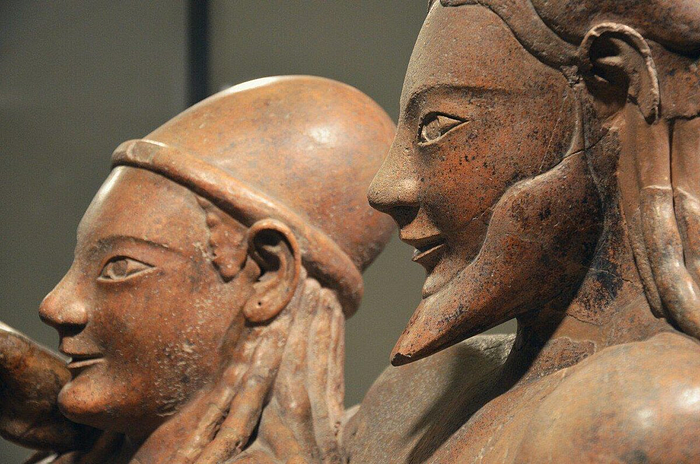
The mixing of many different tribes formed the Roman people. Latins, Sabines, and Etruscans originally inhabited the city of Rome and its surroundings. Additionally, Greek colonists from southern Italy lived nearby and actively intermingled with the Romans. Other Italic peoples lived on Roman lands, and the warlike Gauls, who repeatedly threatened the very existence of Rome in its early centuries, were located just to the north. When the Roman state encompassed the entire Italian Peninsula, it took less than a century for all these peoples to receive Roman citizenship and rightfully call themselves true Romans.
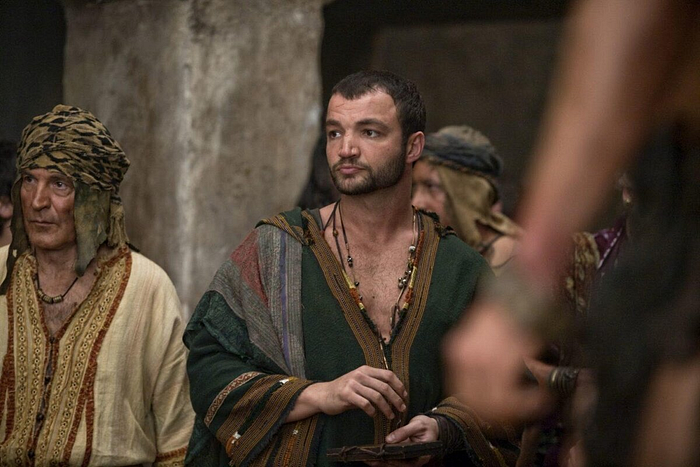
Moreover, many slaves from the most distant lands, from the Baltics to Africa and the Middle East, arrived in Rome. While slaves in latifundia faced hard labor that usually led to death within a few years, urban slaves in Rome did not live so poorly. Furthermore, according to ancient writers, a slave could expect to be freed after about 6–7 years. A freedman remained obliged to support his former master, but he personally became free. He could start a family, and his children became full-fledged Roman citizens. Thus, the descendants of Germans, Syrians, Egyptians, and other peoples became Romans.
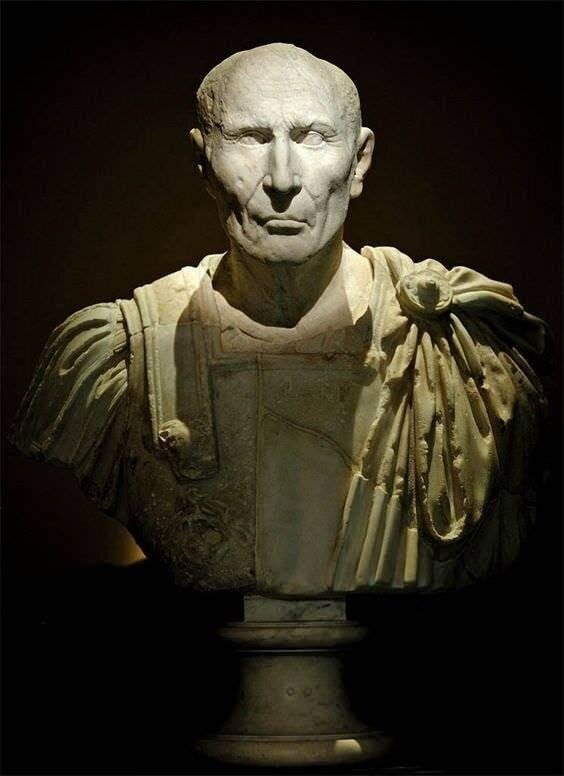
Nevertheless, the majority of Romans were people with appearances well-known to historians from ancient Roman statues, busts, and frescoes. Male portraits with the characteristic "Roman" nose, noble profiles of patricians, and the rounded faces of Roman women are noticeably different even from ancient Greek statues, let alone the modern "Mediterranean" type. After the fall of the Western Roman Empire, Italy experienced several waves of invasions by Celtic and Germanic peoples: Goths, Huns, Lombards, Burgundians, Franks… Thus, modern Italians bear little resemblance to their distant ancestors.
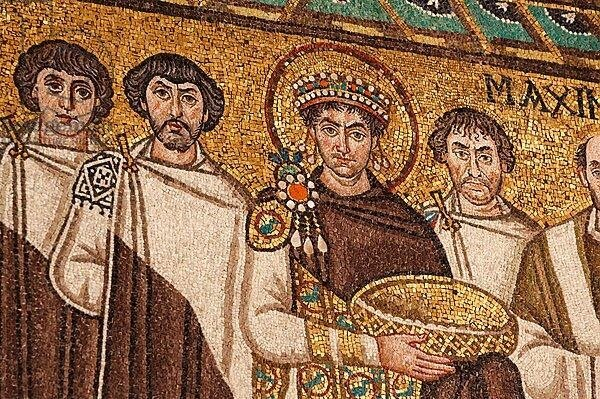
But could the Byzantines have become the descendants of the Romans? After all, many Roman families moved to Constantinople, which became the eastern capital of the same Roman Empire, to escape the barbarians. However, the local population in Byzantium, not just Greek but also of various other ethnicities, was much larger. The numerous tribes from the Balkans, Eastern Europe, and the Middle East among the Byzantines meant that the few Roman settlers made a very insignificant contribution to the Greek ethnic group.
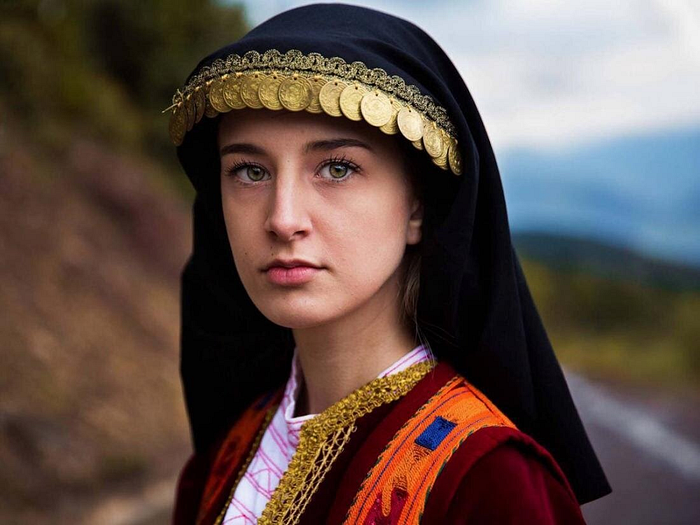
Romanians also claim kinship with the ancient Romans. During the Roman Empire, the territory of modern Romania was part of it in the form of two provinces: Dacia and Moesia. The local population consisted of Dacians, Getae, and other South Slavic tribes. Over time, they became highly Romanized and mixed with Roman colonists. However, among the ancestors of Romanians, there are many more representatives of Wallachian and other Balkan ethnic groups, with Romans making up a tiny proportion.
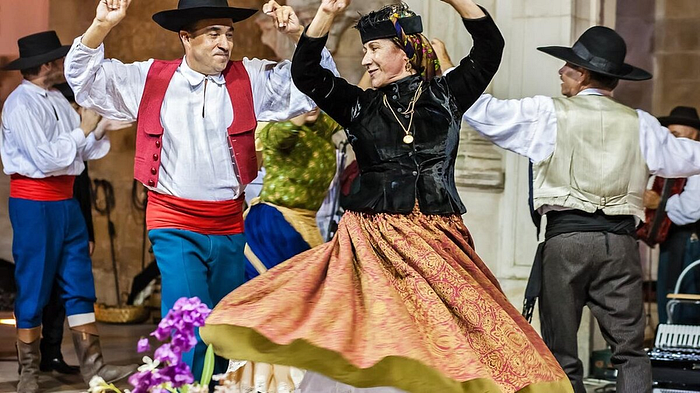
Scientists find somewhat more genetic markers characteristic of the ancient Romans among modern Spain's population, especially Portugal. This is unsurprising, as some of the oldest Roman colonies were here. The local tribes were few and gradually merged with the Roman settlers over the centuries of living together. In conclusion, it can be said that there are no direct descendants of the ancient Romans left today. However, almost all Europeans, including the British — among whom some Romans once lived and eventually merged with the local peoples — can claim kinship with them.
As content creators on Medium.com, we face minimal compensation for our hard work. If you find value in our articles, please consider supporting us on our "Buy Me a Coffee" page. Your small contributions can make a big difference in fueling our passion for creating quality content. We appreciate your support

Clape and subscribe to our channel if you want to see more articles about history in your feed!