

What is (Aid)Reach?
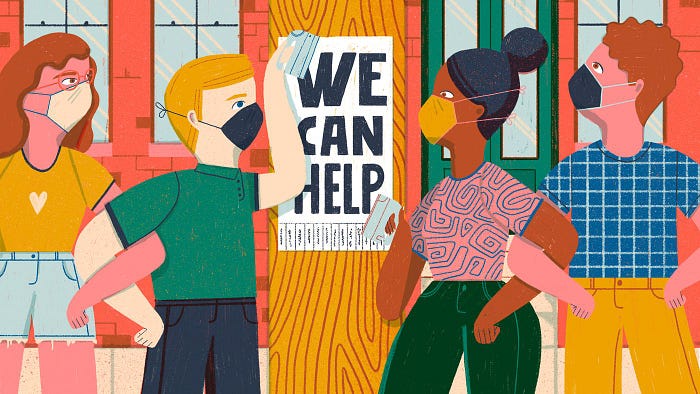
(Aid)Reach is an app created for mutual aid organizations that want to streamline their community engagement process. (Aid)reach aims to reduce the time that mutual aid organizers spend on community outreach by streamlining the social media process as well as the design process.
(Aid)Reach's user friendly interface provides a social media management tool for mutual aid organizations. (Aid)Reach goes above and beyond other social media management tools by allowing users to design social media posts in the app through our curated selection of templates, fonts, and color schemes. These templates select and provide key words and phrases related to mutual aid through our unique algorithm. (Aid)Reach will reduce the time you spend posting across social media platforms and give you more time to get valuable resources where they need to be!
"I wish I had more time to devote to direct aid…instead, I spend most of my time staring at my phone posting on social media. It needs to be done though, otherwise, we can't get the resources we desperately need"
— Sarah Dawn, Founder of a NYC Based Mutual Aid Group
Problem Statement
Managing mutual aid organizations is a timely endeavor that comes with a series of seemingly never ending tasks. A robust network of volunteers is crucial to maintaining such organizations. Community outreach, while a key process for garnering these volunteers, is a tedious task that creates immense work for mutual aid organizations. Community outreach requires savvy visualizations that need to be posted across multiple social media platforms regularly. The community engagement process — while vital in ensuring successful mutual aid — takes up valuable time from these organizations that can be directed to other activities.
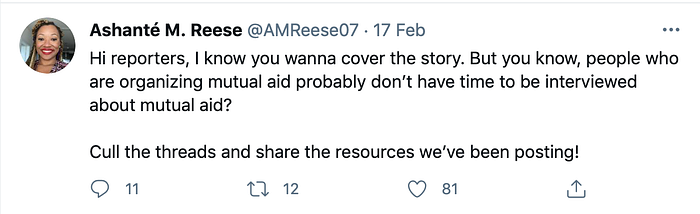
Mutual Aid Organizations Are Overwhelmed
Mutual aid is dependent on communities and highlights the need to share resources with one another to meet everyone's needs. More specifically, resource sharing occurs in a manner that is self-directed, grassroots-based, and not reliant on top-down government interventions that may arrive too slowly or overlook the needs of everyone through inequitable distribution.
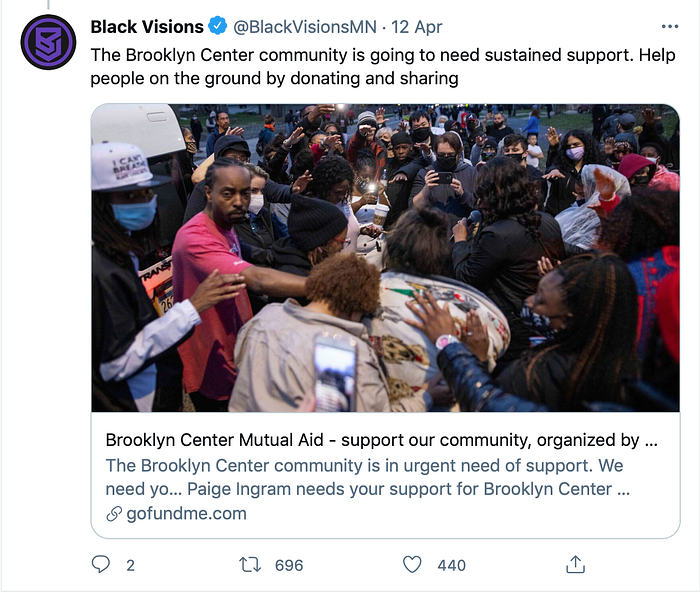
Nationally, the presence of mutual aid organizations has increased rapidly over the last year with the onset of the COVID-19 pandemic and the increase in Black Lives Matter protests. During these tumultuous times, mutual aid organizations were at the front lines, coming together to provide immediate support and relief ranging from emotional support, financial aid, grocery deliveries, and even providing protective gear at protests. All of this was done without the help of the government or big institutions. Mutual aid is strongly reliant on 'people power' and the strength of communities, making community engagement a crucial component to the success of mutual aid interventions. (Aid)Reach is here to strengthen that engagement and its subsequent networks.
Jena Harris, who represents a successful Philadelphia-based mutual aid group, Bunny Hop, states: "We shifted from doing food distribution and household essentials to being a hub for a number of resources, […] we became a resource for the community in a different way" (Jones, 2020). As a response to providing support during the coronavirus pandemic, Bunny Hop spread word on their project through Instagram gathering help and response rapidly. Their strong outreach through social media grew their project to where it is today. As their list of responsibilities had grown, it was crucial to maintain their volunteer network to support their efforts. Bunny Hop is evidence of how a strong social media presence can help establish key community networks.
Achieving similar results to Bunny Hop has proven to be a challenge for many mutual aid groups given time constraints as well as a lack of resources and existing technology solutions. Understanding what success looks like for mutual aid organizations, (Aid)Reach's platform makes it easier to reach the right people through streamlined community engagement processes.
Community connections are quickly forged through social media groups but with no real structure, these networks tend to wither away. While it is wonderful to see the unity and compassion brought about by mutual aid, with no real structure to maintain these relationships many mutual aid organizations tend to fade out. In essence, mutual aid groups thrive and survive on sustained community relationships. This results in a dire need for sustained, robust community engagement, and (Aid)Reach is here to guide that.
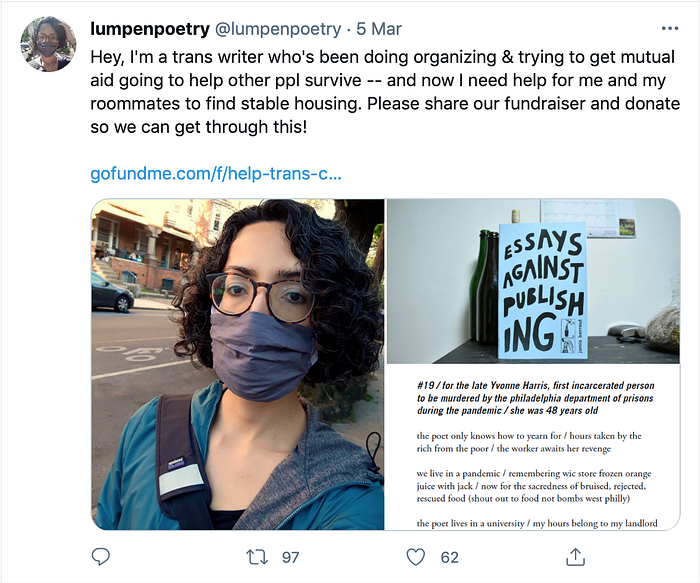
Most mutual aid organizers, particularly during times of crisis, describe their work as "never-ending" (Jones, 2020). With so much on their plate already, a natural pain point lies in the time spent maintaining a strong social media presence to enlist much needed 'people power'. With (Aid)Reach, mutual aid organizers can streamline this process and ease these responsibilities to ensure their utmost success. Given the fact that most mutual aids struggle with limited resources and capacity for maintaining CRM's, (Aid)Reach can be a one-stop-shop in getting the word out to maintain their presence and network. With this time and cost saved, mutual aid organizations can direct themselves towards other priorities in delivering the needs of the communities they serve.
(Aid)Reach Key Features
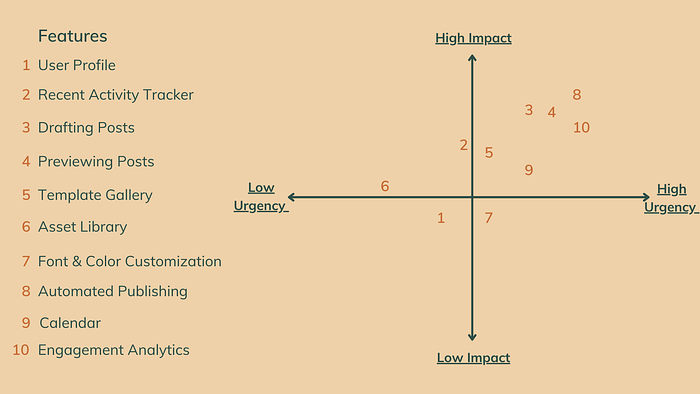
Post Scheduling
First and foremost, (Aid)Reach serves as a social media management tool. To ensure that your drafts are posted at the most convenient time to allow for high rates of engagement, (Aid)Reach allows you to pre-schedule your posts across various social media platforms. Currently, (Aid)Reach supports Twitter, Facebook, and Instagram.
In-App Design
To save mutual aid organizations even more time, (Aid)Reach offers in-app design tools to reduce the need for additional softwares, apps, and designers, ensuring that mutual aid organizations can be cost efficient with respect to their available resources. Our algorithm creates design templates, suggesting key terms and phrases found from high trending posts across social media platforms. We offer a series of fonts and colors to make your designs as curated as can be!
Engagement Analytics
To really show you how successful (Aid)Reach can be in enhancing your community engagement, we offer analytics on each of your posts no matter what social media account they are on. After you post, within 24 hours (Aid)Reach will provide you with tailored analytical information that shows you how many likes, views, saves, and revisits your post got. This data will be presented with easy-to-read infographics to allow for easy readability.
How Does (Aid)Reach work?
To illustrate just how (Aid)Reach works, we will present a demo alongside a user persona and user journey.
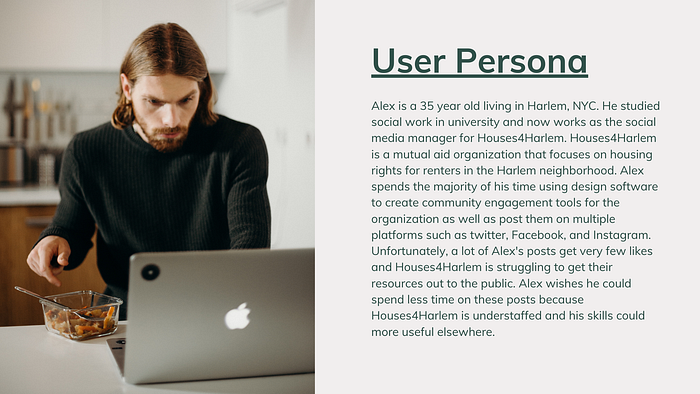
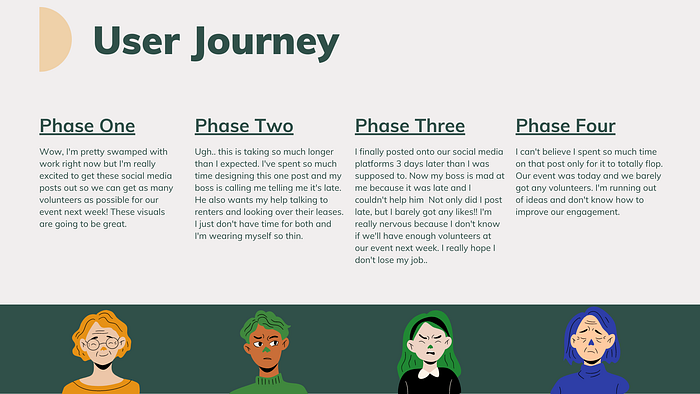
Alex will be the persona to keep in mind for our demo, presented below you can see the user journey of someone who struggles with the same pain points as Alex but hasn't discovered (Aid)Reach yet.
Welcome to (Aid)Reach!
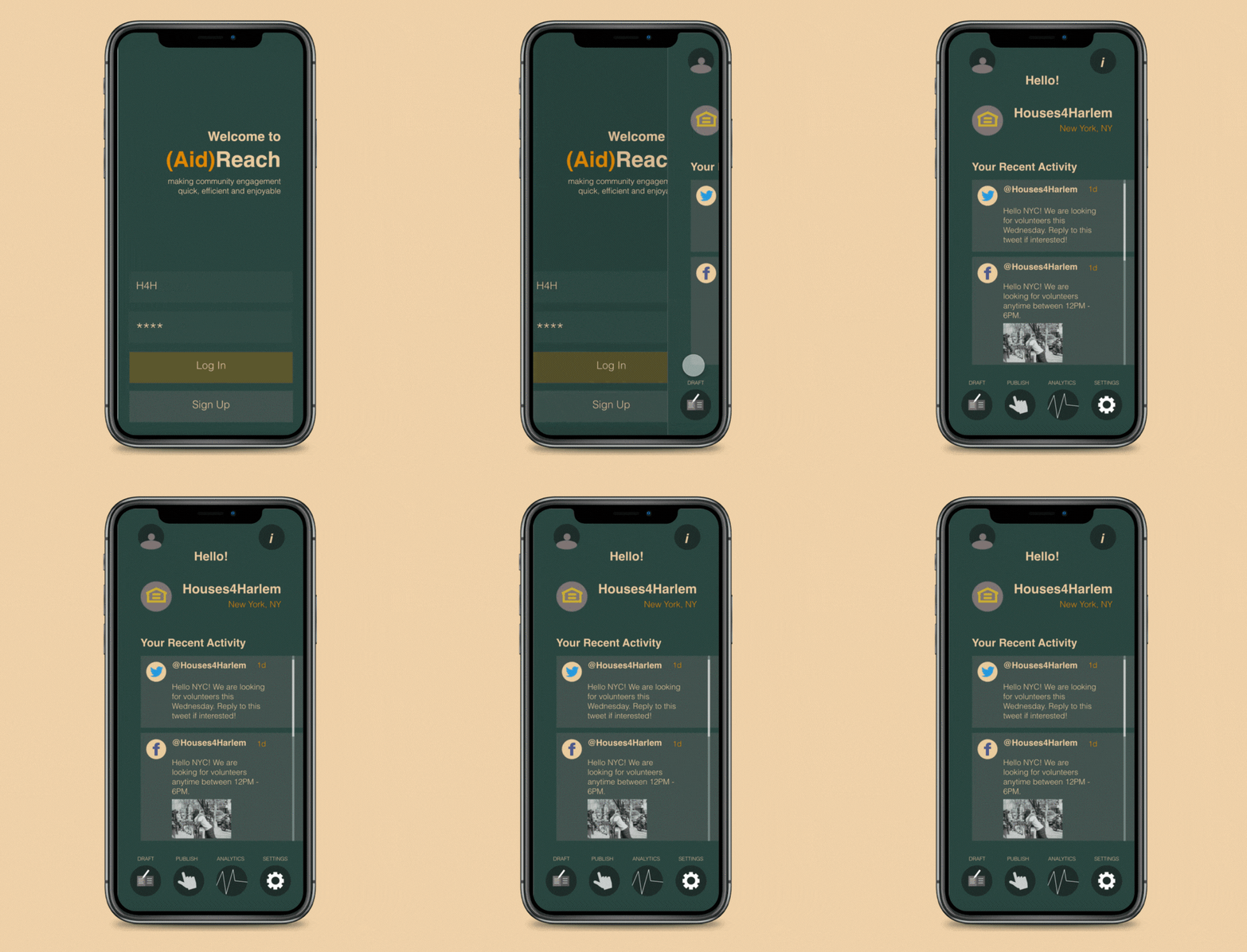
- After opening the app, the user will be shown our mission statement and will be prompted to login. Upon logging in with their unique user ID and password, the user's profile page will open up so they can stay updated on their recent activity. The profile page includes the most recent posts and related engagement activity.
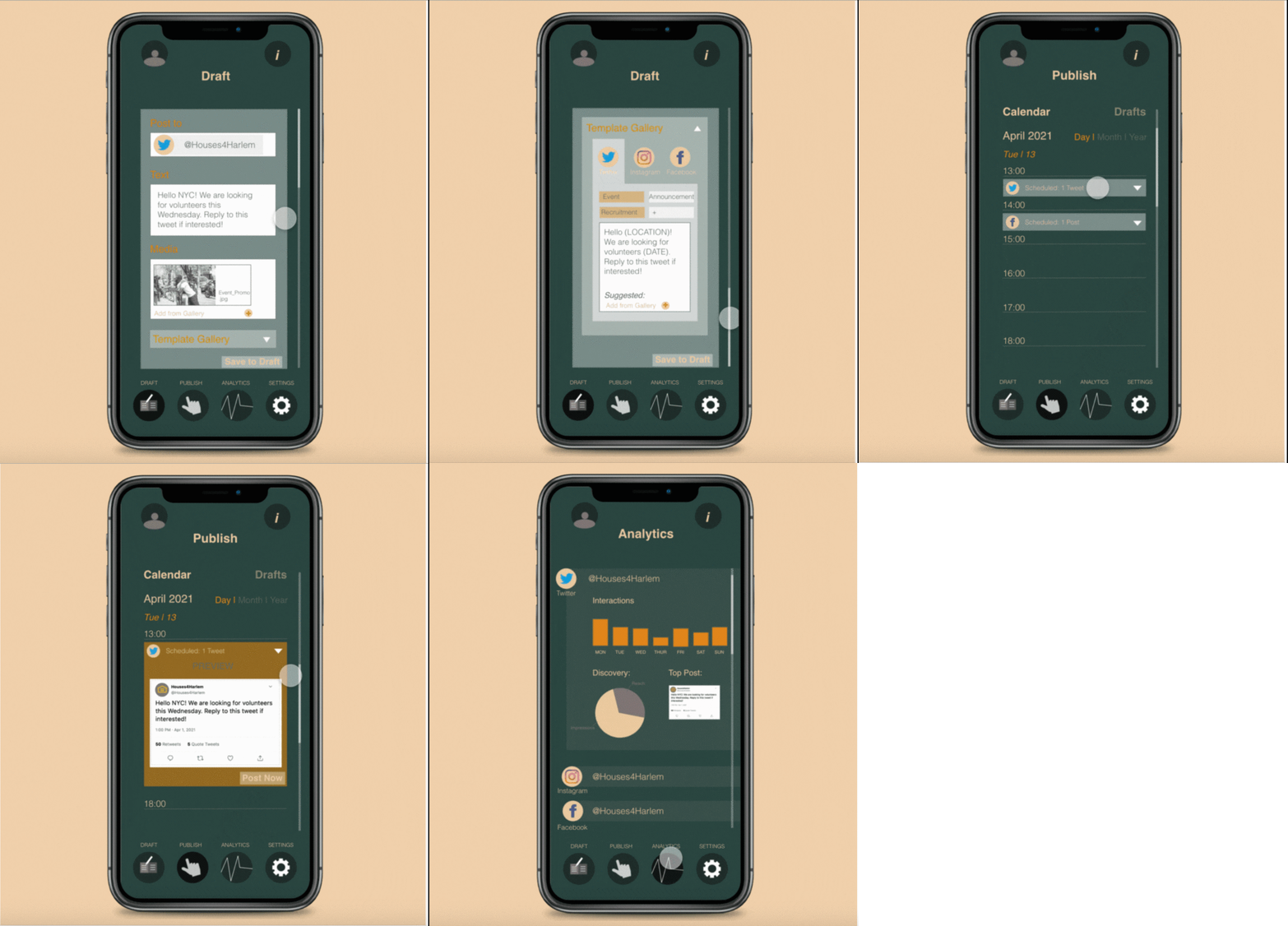
- While navigating the app, the user can move from their home page to the draft page. Here, the user can select which social media account they wish to post on and access templates from our template gallery. Templates are categorized based off of the type of post they wish to create. For example, there are templates for announcements, recruitments, or news regarding an event. (Aid)Reach's algorithm creates these templates based off of other high performing mutual aid posts on the internet, ensuring that your post will garner high levels of engagement. The template gallery also includes inspiration for attractive visualizations with customizable fonts and colors based on the organization's design styles and aesthetic preferences.
- Moving to the publisher page, the user can add to their calendar to schedule posts for the future — ease of planning. By planning ahead, they don't need to worry about continuously creating posts or reminders for events. On this page, they can also preview their posts to see what it would look like on the selected social media, and also have the option to instantly post it and remove it from their drafts.
- Navigating to the last page, the analytics page, the user can view how their posts are performing and can use this information to inform the best ways to go forward in engaging with their communities. (Aid)Reach's data is organized and easily readable through predefined infographics. You'll never have a hard time reading your engagement analytics with (Aid)Reach!
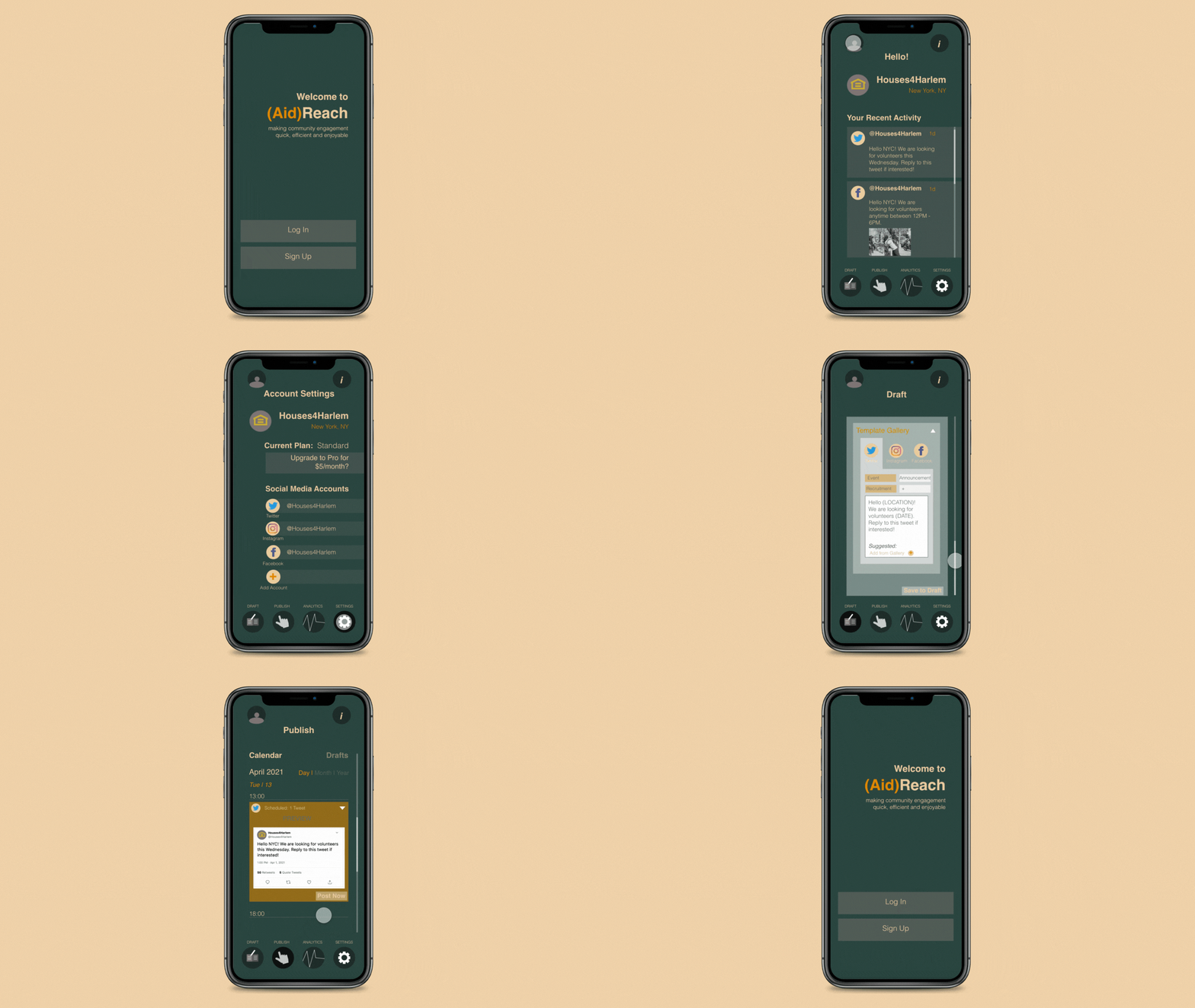
- Some additional features exist on (Aid)Reach. In the user's account settings, they can connect their social media accounts which will be used for their posts. Right now, (Aid)Reach supports facebook, instagram, and twitter.
- Users can also navigate to an FAQ and support page in case they have any questions or concerns. (Aid)Reach prides itself in responding to and adapting for user feedback.
As you can tell, if Alex were to have (Aid)Reach while undergoing his user journey, a lot of the identified pain points would be dissipated.
What's Next?
What we've presented in this article pertains to our MVP and hopes to begin tackling the high urgency problems faced by mutual aid organizations. However, as (Aid)Reach continues to expand and grow, we hope to incorporate the following features into our product.
1.Connect with Volunteers Directly
(Aid)Reach will implement a dashboard that allows both mutual aid organizers and volunteers (or those providing resources) to engage with posts directly on the app. This way, (Aid)Reach can be a platform for direct mutual aid and both user groups will know where to go for a one-stop solution for all their organizing needs.
2. Crowdsourcing and Fundraising Tools
To help gather financial support for mutual aid initiatives, (Aid)Reach will provide an in-app, crowdsourced, fundraising platform. Organizations will be able to post about their needs and how much money they are hoping to raise and other users can donate directly through the app.
3. Host Your Organization
Oftentimes before you post on social media, you want to get support from your organization. (Aid)Reach plans to incorporate a teams option that will host your whole organization on (Aid)Reach. That way, before you post, your team can collaborate and review the design, ensuring that you have your entire team's approval on all your posts before they're live!
FAQ
How do I link my other social media accounts?
When you create your profile for (Aid)Reach, it will prompt you to add the login information for your other social media accounts. Right now, (Aid)Reach supports Facebook, Twitter, and Instagram. When you link your accounts, (Aid)Reach will request your permission to have access to post on these platforms. At any point, you can access your account settings in the app and add or remove a social media account.
I found a template I like, how do I adapt it for my organization?
(Aid)Reach provides an intuitive, easy-to use, in-app design toolkit. Using our in-app design toolkit, you can take any of the provided templates and change the text, fonts, and colors to fit your organization's goals. You can also upload your own images to our asset library.
I want to schedule a post for a specific time, is that possible?
Yes! (Aid)Reach allows scheduled posting. Before you publish any of your posts, you will be asked to confirm the date and time at which you want it posted. You can post immediately, of course, or schedule days and weeks in advance. You can find your scheduled posts in your calendar.
I forget if I already posted yesterday, how do I check?
On your home page, you can manage and track all your recent posts to make sure you don't post again. They will all be listed there chronologically. If you want to learn more about how each post is performing, you can go to the analytics tab.
Conclusions & Contact Information
(Aid)Reach continues to strive to better the community engagement for mutual aid organizations through innovative technology solutions.
If you have any other questions or concerns, please contact us at support@aidreach.com
By Tihana Bulut & Sanjukta Hazarika
Prototyping for Urban Policy and Decision Making | Spring 2021
Professor Kazuki Sakamoto | Columbia University GSAPP
Jones, A., 2020. In a season of extreme need, some mutual aid groups are flourishing. Others are sinking under the weight.. [online] The Counter. Available at: <https://thecounter.org/mutual-aid-groups-food-distribution-assistance-covid-19/> [Accessed 15 April 2021].
Mutual Aid Networks and Coronavirus: Is It Enough to Just be Neighbors? — Curbed. (n.d.). Retrieved April 16, 2021, from https://archive.curbed.com/2020/6/23/21294321/mutual-aid-societies-nyc-pandemic