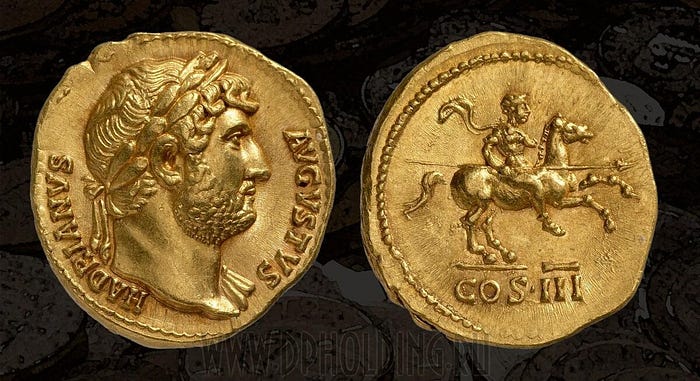

According to historians, one of the main reasons for the so-called "Crisis of the Third Century," during which the Roman Empire almost collapsed, was a significant reduction in the supply of precious metals — especially gold. The mines were becoming depleted and could no longer compensate for the outflow of gold coins from circulation. The emperors gradually reduced the gold content in their coins, which led to inflation and forced them to mint more and more money. So where did all the Roman gold go?
It is easy to answer this question: the gold was used to pay for expensive goods brought in from India and China. Yet caravans along the Great Silk Road had been arriving in Rome since the second century BCE — why did the crisis begin only four centuries later? Overland routes supplied Rome with only a small fraction of exotic goods. That route was effectively cut off after the outbreak of wars with Parthia in the first century BCE. Rome was forced to seek alternative pathways to acquire the highly scarce and in-demand silks and spices, and soon, such a route was found.
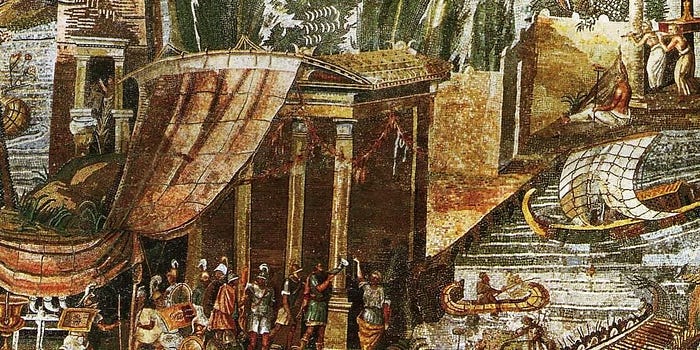
From the late 2nd century BCE, the Egyptians already knew of the possibility of sailing directly from the Red Sea to India rather than hugging the shoreline as was typical in antiquity. Sea traders from India, and later from Egypt, discovered that monsoon winds carried sailing ships from the southern coast of the Arabian Peninsula straight to India in summer. In winter, however, the monsoon blew in the opposite direction, allowing a ship to return to its home port. The Romans also learned of this because, in 26 and 20 BCE, Indian envoys were granted audiences with the Roman emperor.

The Romans did not waste any time. After finally subjugating Egypt and making it a Roman province, they turned it into an intermediary base for Rome's maritime trade in the East. At first, the main port from which ships sailed to distant India was the Egyptian harbor of Myos Hormos. A caravan route led from there to Coptos, a city on the Nile, from where ships sailed directly to Rome. During the reign of Octavian Augustus, 120 ships laden with Indian goods returned each year to Myos Hormos.
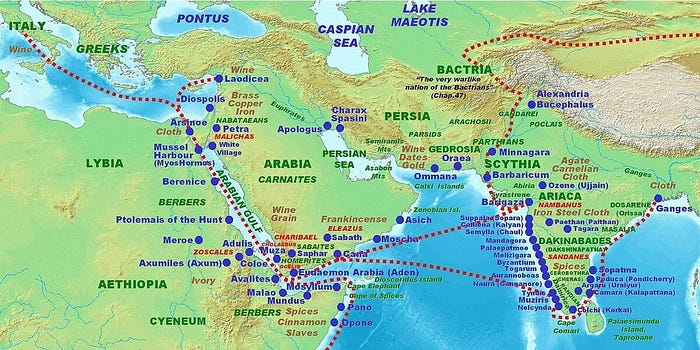
When Tiberius became emperor, he devoted serious effort to improving the infrastructure of this trade route. On the Red Sea, the Romans built a large new port, Berenike, with a well-protected deep-water harbor capable of accommodating heavy-lift ships. By that time, there were already huge (by ancient standards) three-masted sailing vessels making the journey to India. One such ship's cargo was worth 7 million sesterces in Rome.
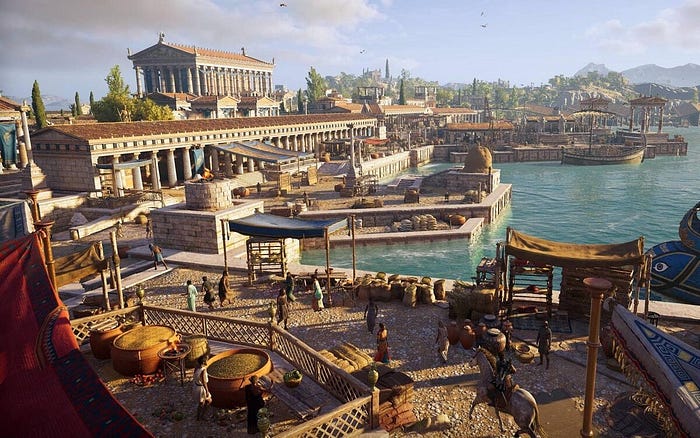
In 137 CE, the Romans built a 350-kilometer road from Berenike to Coptos. Previously, caravan drivers transporting goods through the desert would hide in caves during dust storms. Now, they had a transit base that the Romans called "Troglodyticum," named in honor of these caves. It could accommodate up to two thousand people, as well as camels and cargo. By that time, wealthy Romans could no longer imagine life without the eastern goods brought in from India.
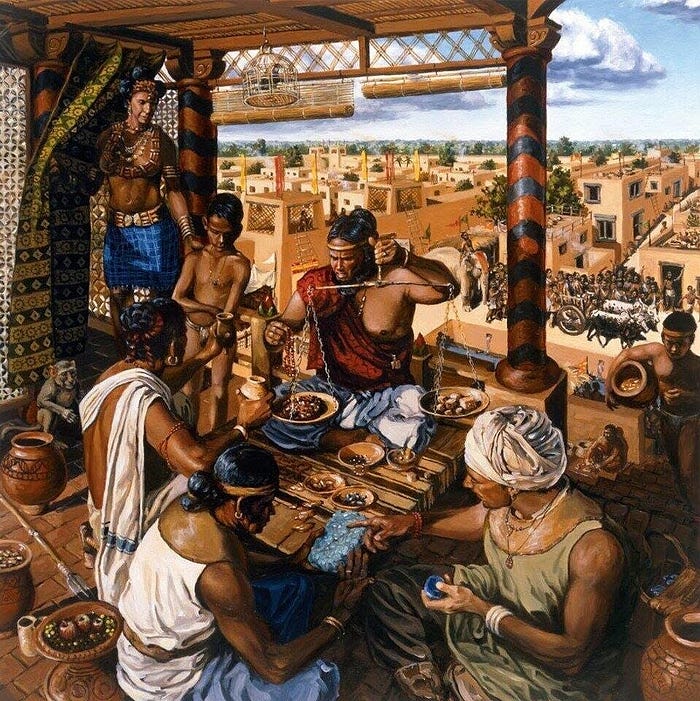
However, the situation was much worse when it came to exporting goods back to India. Indians bought Mediterranean wine, coral, some ceramic and glass products, and a certain amount of olive oil. However, the demand for Roman goods in India was low. Due to the trade imbalance in the 1st century CE, as many as one hundred million sesterces left Rome for India each year. Indian merchants were happy to accept Roman gold in any quantity, exchanging it for precious stones, Chinese silk, incense, ginger, pepper, cinnamon, etc.

Roman authorities could neither compensate for the gold coin outflow from the empire's economy nor halt trade with India. There were many reasons for this. Patrician wives and daughters wore silk, sported Indian jewelry, and dined on exquisite dishes flavored with Indian spices. Even a slight reduction in these imports would have sparked a wave of discontent. Equally important were the tax revenues from trade with India. Tariffs reached 25 percent; without this funding source, the imperial budget would have simply collapsed. A vicious circle ultimately led the Roman Empire's economy into a severe crisis.
As content creators on Medium.com, we face minimal compensation for our hard work. If you find value in our articles, please consider supporting us on our "Buy Me a Coffee" page. Your small contributions can make a big difference in fueling our passion for creating quality content. We appreciate your support

Clape and subscribe to our channel if you want to see more articles about history in your feed!