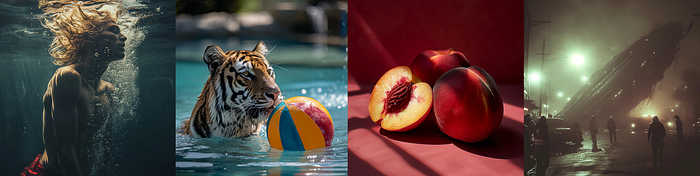


The AI Art Revolution
I have to admit, I recently fell for an AI-generated photo that was posted a couple of days ago. It depicted a famous site on fire, and despite knowing better — given it was posted on Reddit and I forgot to check the subreddit — I was so shocked that I quickly fired up Google to search for the latest news.
As expected, there was no fire, and the image turned out to be AI-generated. Eventually, I realized the deception, but it made me realize one thing: even when you're aware of the possibility of AI-generated photos, you can still be fooled.
Here's the thing. I am so tuned into the world of AI that I continually fact-check everything. For instance, when Sam Altman from OpenAI got married, the first thing I did was verify if the images were genuine or AI. Fortunately, they were real, and I'm genuinely happy for him. But let's face the facts. It's kind of disheartening that you have to factcheck everything these days, as trusting one's own observations has become less reliable.
AI is undeniably here to stay, and in its current unregulated state, it poses significant risks. Furthermore, many individuals might not consider the possibility that an image could be fake. While we are familiar with Photoshop, AI takes image manipulation to a whole new level. Unlike the time-consuming and often subpar results of a 20-hour digital retouching job, AI can generate realistic images within minutes.
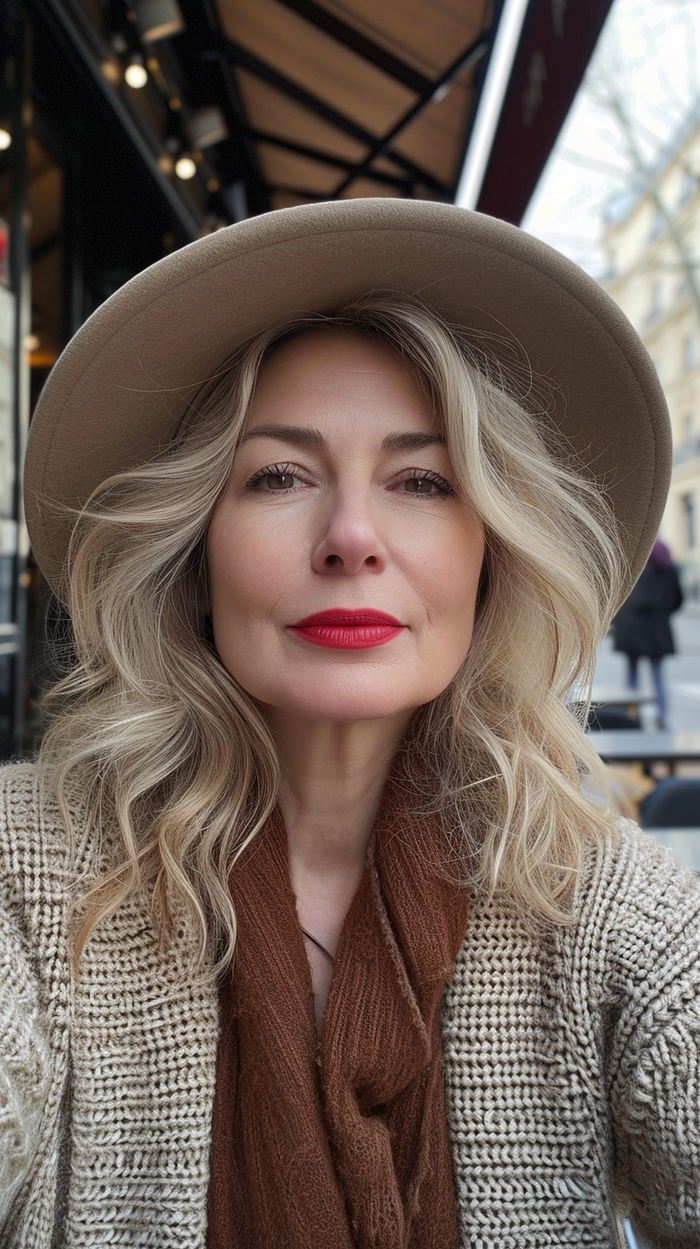
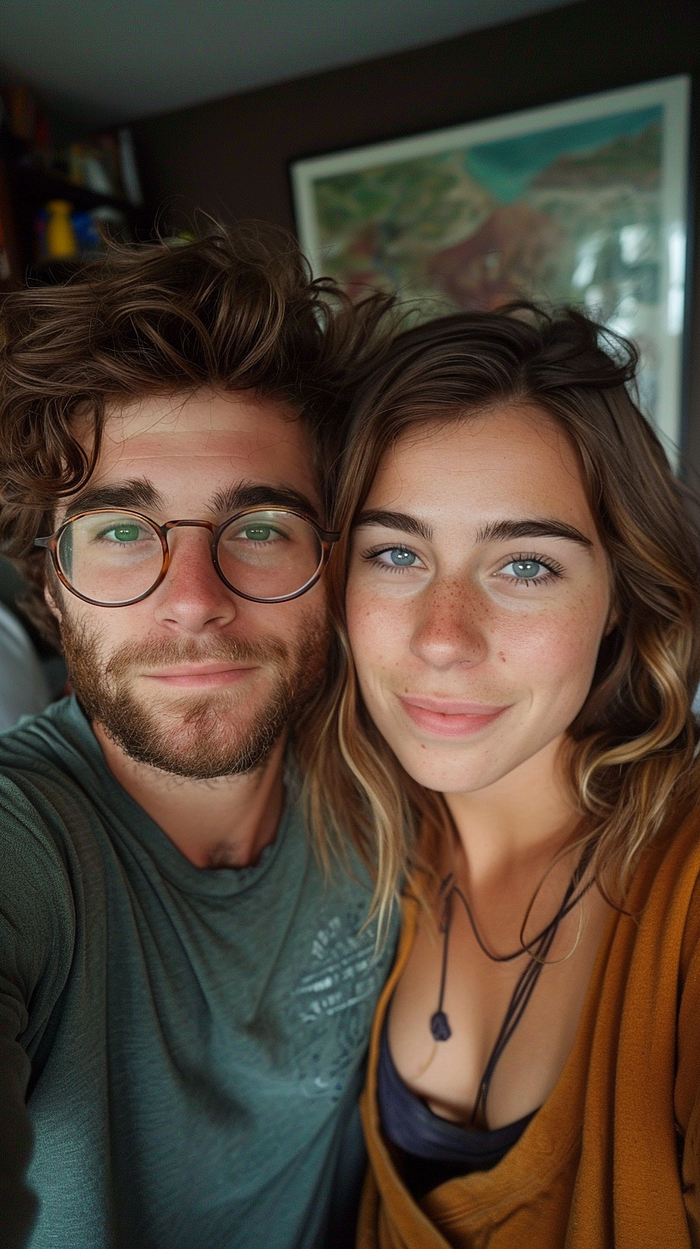
I'll share a couple of examples of smartphone photos taken by average people. None of these photos is real, but they easily could be.
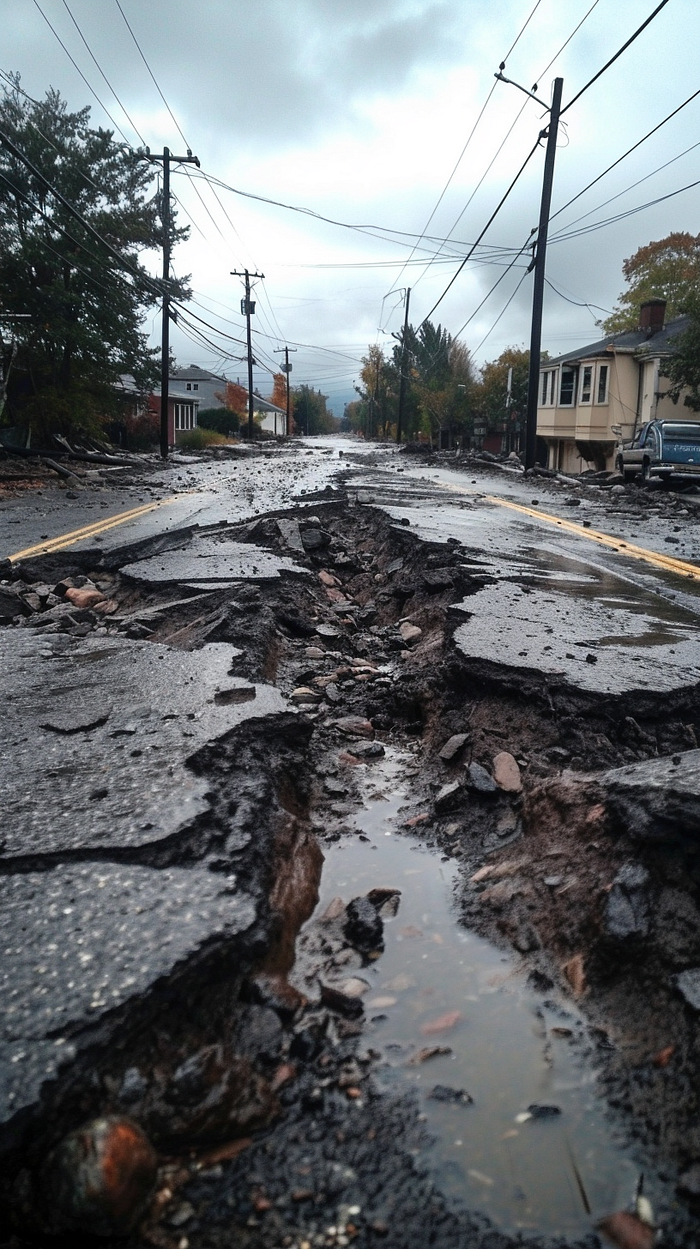
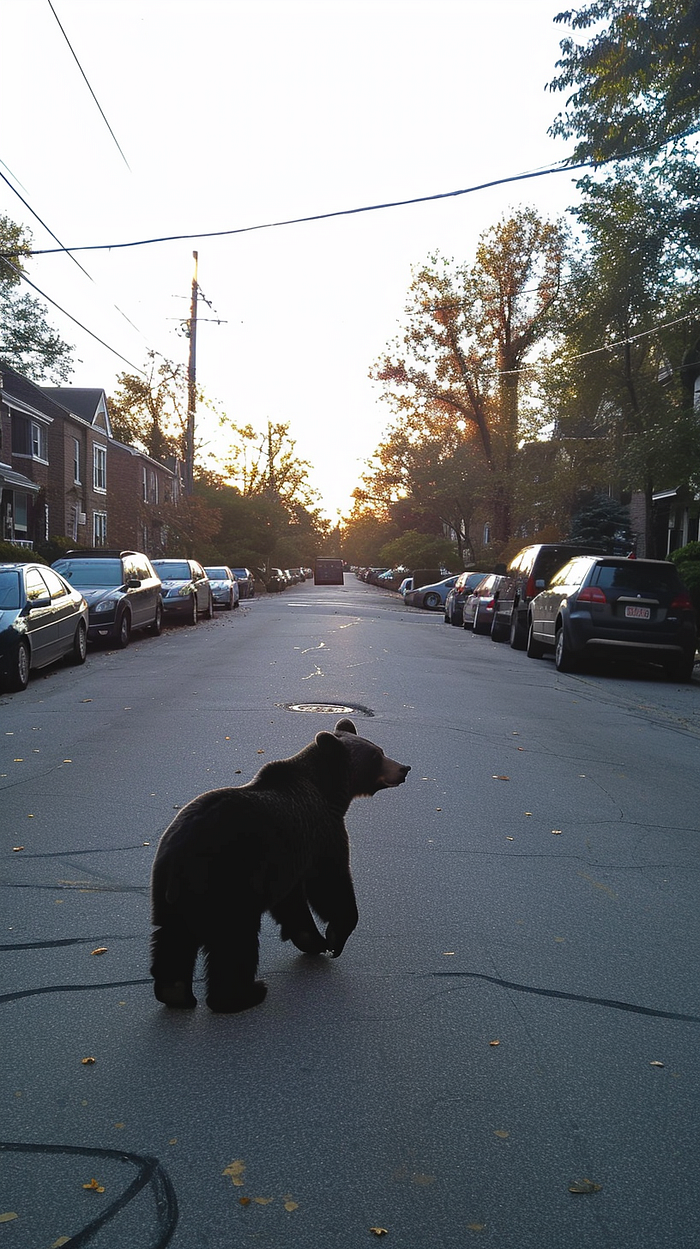
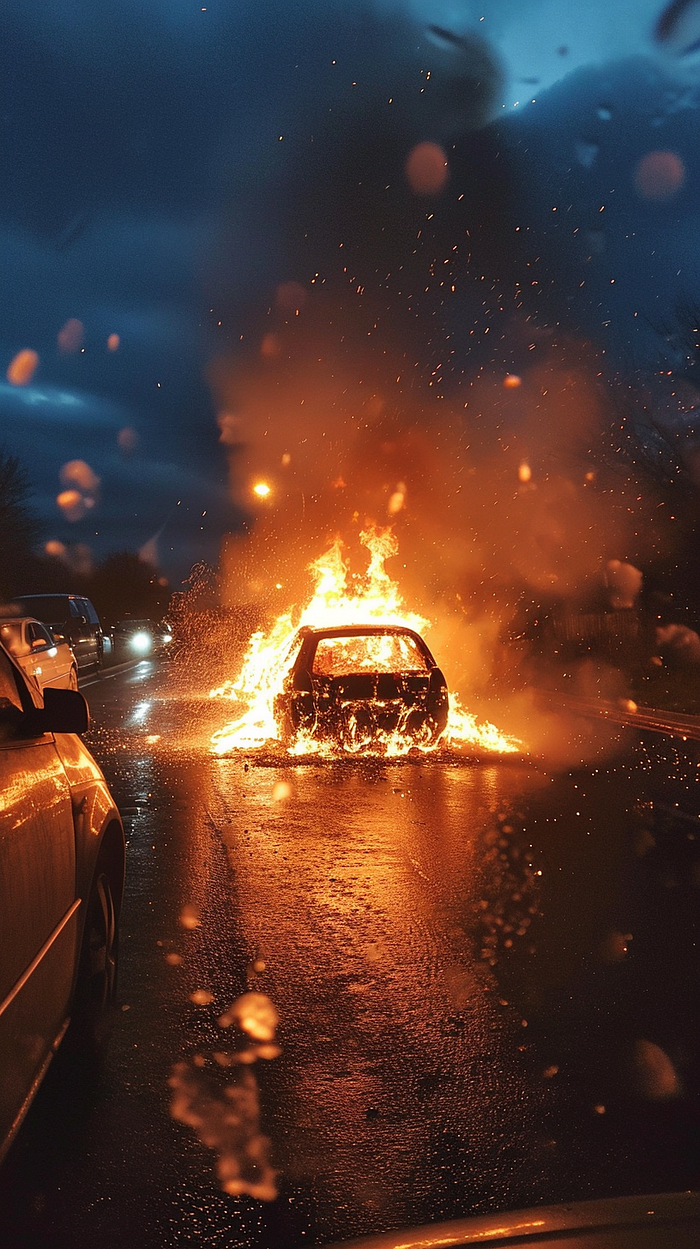
Would you question their authenticity if you encountered them outside of this post online? Even someone like me, deeply interested in and working with AI, fell for an eerily realistic AI photo. So it raises concerns about the broader implications.
Let me be clear: I believe AI has the potential to create a better world. However, what we urgently need is some form of regulation and, most importantly, companies that feel accountable for their products and the potential outcomes they may produce.
Three Dangers of AI-Generated Art and How to Avoid Them
Misuse
AI-generated art can be misused for deceptive practices, such as creating deepfake images or videos that present false information or distort reality. To prevent this, it's important to raise awareness about the existence of AI-generated content. Public education on how to identify potential deepfakes or manipulated art is essential. Increasing awareness can contribute to a more discerning audience.
Additionally, companies should implement systems that enable the verification of whether an artwork is generated by AI or created by a human.
These proactive measures can help reduce the risks associated with the misuse of AI-generated art.

Jobs
With the increasing skilset of AI in creating art, there's a concern about potential job displacement for human artists, especially in industries prioritizing efficiency and cost-effectiveness, such as advertising, photography and graphic design.
While addressing this issue is challenging, one potential solution is the implementation of training programs for artists to learn and integrate AI tools into their creative process. By equipping artists with the skills to collaborate with AI, they can stay relevant and discover new ways to express their unique perspectives. This approach aims to transform the potential threat of job displacement into an opportunity for artistic growth and innovation.
Discrimination
The use of biased training data for AI models can result in maintaining biases in the generated art, potentially reinforcing stereotypes and promoting discriminatory content.
To address this issue, it is essential to prioritize the use of diverse and unbiased training data. Regularly updating and reviewing datasets can help identify and rectify emerging concerns. Developers should also provide explanations for how the AI makes decisions and be accountable for addressing any biases that may emerge in the generation process. By taking these measures, the aim is to create AI-generated art that is more inclusive, fair, and free from harmful biases.
And above all it is so important to educate the public about the potential risks of AI and how important fact checking / image checking these days is. By providing guidance on recognizing AI-generated content, people can make more informed decisions.
The rise of AI-generated images presents both incredible opportunities and serious challenges. If we are careful and responsible, AI-generated images can be a powerful tool for good. However, if we are not, they could be used to deceive and harm.

This story is published on Generative AI. Connect with us on LinkedIn and follow Zeniteq to stay in the loop with the latest AI stories. Let's shape the future of AI together!
