

Introduction
The automotive industry is changing due to autonomous driving. Ford, GM, Toyota, and Volkswagen must switch from mechanical engineering to AI-powered mobility. Self-driving cars provide safer roads and new services, but established manufacturers face challenges in technology, regulation, public image, infrastructure, and even the labour.
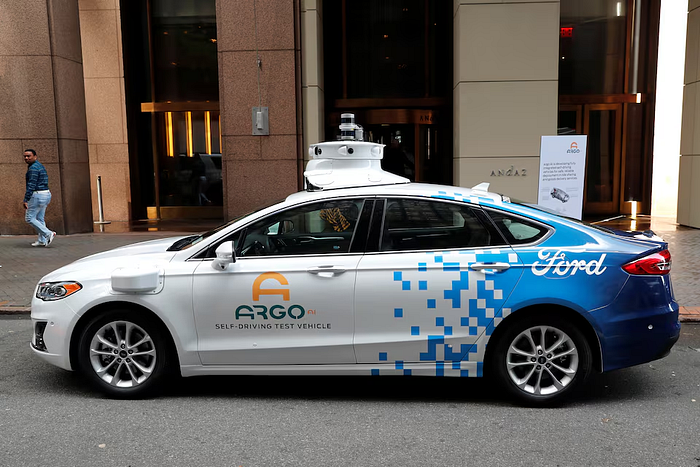
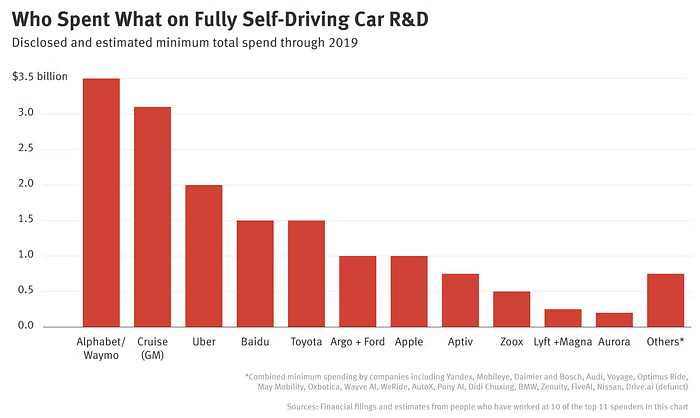
The addition of autonomous driving to car production is difficult. Self-driving cars need cameras, radar, LiDAR, strong CPUs, and millions of software lines. To do this, established automakers required new software and AI expertise. Starting with IT companies or startups was common. For self-driving systems, General Motors bought Cruise Automation and Ford heavily invested in Argo AI. Progress was slower and costlier than projected. Ford projected Level 4 self-driving cars by 2021, but its CEO said in 2022 that 'profitable, fully autonomous vehicles at scale remain a long way off'. Slow technological maturity and considerable losses led Ford and Volkswagen to shut down Argo AI after investing billions. After investing $10 billion in Cruise and providing limited robo-taxi services, it lost money by 2024 due to technological issues.
Traditional automakers must modify culture to be online. New software requires quicker vehicle development cycles. Automotive companies recruit software professionals and streamline processes. Volkswagen formed CARIAD, a software division, to test autonomous driving across its products. A Toyota AI/robotics research institute was constructed. These activities show traditional manufacturers adopting new tech. Combining Silicon Valley innovation and historic manufacturing methods is tricky. The learning curve is steep. A safe, reliable self-driving car requires automotive technical competence and cutting-edge AI, which is difficult. This race demands long-term effort and big money.
Automakers suffer uncertainty owing to evolving self-driving vehicle regulations. Global laws haven't kept pace with autonomous tech. The US has no federal autonomous vehicle law; while states vary. This mess affects carmakers' extensive rollouts. Who is responsible for self-driving car accidents? While drivers are responsible, a driverless car's manufacturer or software developer may be. A lawyer dubbed autonomous driving a "brave new frontier" with no accident or liability management procedures.
Safety regulators are cautious. Automakers must pass safety tests to test or sell autonomous vehicles. After a pedestrian was dragged, GM's Cruise robo-taxi service in California was prohibited in 2023.
Regulators put the brakes on for public safety. New regulations like incident reporting and fail-safes result from such occurrences. Autonomous elements like highway traffic jam autopilot are being adopted by European governments under stringent monitoring. Industry leaders claim that law is the biggest barrier to autonomous car deployment.
Automakers must prove their technology is safe and reliable and be prepared to take on greater legal responsibility when the driver is no longer in control to get regulatory approval. Without defined norms and accountability standards, corporations are hesitant to implement full self-driving capabilities, and customers worry about legal difficulties.
Even with good technology and laws, public trust in self-driving cars is poor. Many question autonomous car safety in real life. High-profile testing accidents have increased anxiety. A 2023 research indicated 68% of Americans afraid to operate an autonomous car. Most people are sceptical about autonomous vehicles, but that may change. In early 2025, 13% of U.S. drivers trusted self-driving automobiles, while 6 in 10 were apprehensive.
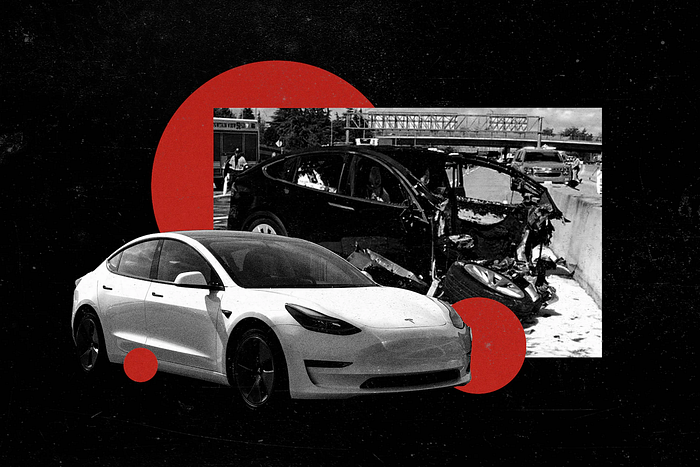
Safety concerns undermine trust. Hearing about Tesla on Autopilot disasters or prototype robo-taxi blunders makes people suspicious. Building client trust requires safety records. Traditional automakers realise this and are adding autonomy. Instead of presenting cars as "self-driving," they're emphasising driver-assistance technology like automatic emergency braking and lane-keeping to make customers comfortable with them doing more. After dropping robo-taxi plans, Ford concentrated on driver-assist features for speedier adoption and dependability. Toyota's "guardian" co-pilot technology aids drivers rather than replacing them.
Public education and transparency build trust. To prevent deceiving customers, manufacturers don't oversell systems. People should feel safer when they see self-driving cars driving safely. It takes time to win clients. Automakers must prove autonomous vehicles are safe and useful. A common technology adoption challenge is convincing individuals to trust a new technology with their lives via real experience.
Losses make companies more cautious. Instead of waiting years for autonomous cars, companies are emphasising advanced driver-assistance systems that can be sold now to support development. Automobile companies may alter their approach. Toyota and VW are developing autonomous shuttles and ride-pooling services for self-driving fleets. Service provision is a big change from car sales and adds new competitors (internet companies, mobility startups). Companies are apprehensive because technology offers new income streams but challenges traditional business practices.
Workforce effects follow. More software and tech are needed by automakers. Companies may hire fewer mechanical engineers and more programmers and AI specialists. This requires retraining and team reorganisation. Beyond manufacturers, a driving job ecosystem may suffer. Millions of drivers may be replaced by autonomous vehicles and taxis. A study forecasts that self-driving cars might displace 5 million U.S. jobs, including truck and taxi drivers. Drivers who lose their jobs may not benefit from autonomous fleet management or vehicle software development. Manage worker retraining and education to avoid economic disruption.
Conclusion
Traditional manufacturers have great challenges and a potential to reinvent themselves in the age of autonomous driving. To address technological, regulatory, and societal problems, legacy automakers must be more agile and inventive. Several organisations have had false starts and course corrections during this change. The race continues. Smart strategies and learning from Ford and GM's course corrections may help automakers lead in autonomous driving.