
By Firelight
For generations when daylight gave way to darkness people would gather around the flickering firelight to share stories. This was not mere entertainment but a ritual to pass on wisdom and warnings. In a world without writing telling stories was a way to ingrain survival information into something easily memorable.
Stories shed light on who we are and illuminate our understanding of the world around us.
By Film
The birth of cinema didn't extinguish that light, it synthesized stories into light. Glowing embers were replaced by projector bulbs with beams of light that cut through the darkness. Like moths it drew people in to gather around the flickering light once again. Stories that gripped our hearts and minds now had our eyeballs too.
Soon after we brought flickering light boxes into our homes where we could bathe in the glow from television screens. Over time those screens changed sizes and while we didn't gather together all at once or in one place we could reach far more people and from afar.
By Fright
How we tell stories may have changed but not why we tell them. Fairytales, fables, parables, folktales, and myths were tools to pass on information; wisdom or warning. They explore ideas around consequences, transformations, and finding order in the midst of chaos. Tales of terror are no exception.
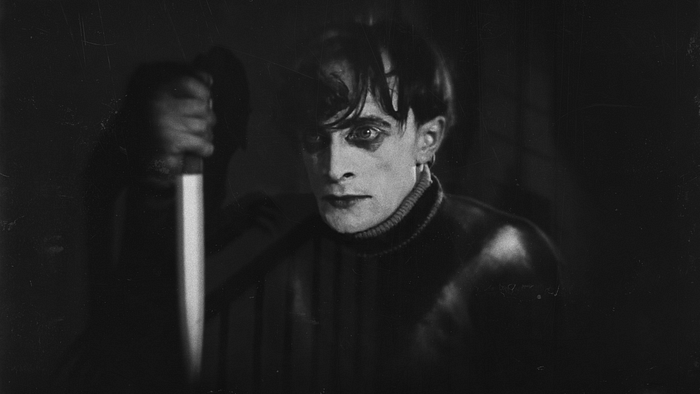
Horror films are filled with atmospheric lightning strikes, faulty light bulbs, and television static but the flickering lights of horror don't conceal, they reveal. Horror movies drag our fears into the light letting us face them. Horror isn't escapism, its a confrontation with reality from a safe distance. The fear is real but the danger is not. By vicariously playing out our deepest fears we earn knowledge we can carry forward into our lives. We already know monsters exist but stories show us they can be overcome.
Stories, even the ones that terrify us, help guide us in the dark just as they always have.