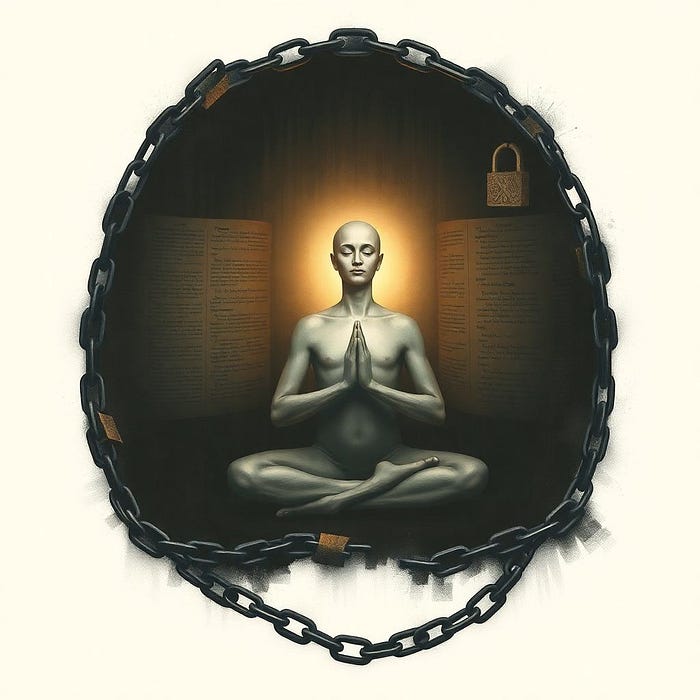

Robbed: The Theft of Spirituality…
The concept of spirituality is deeply personal and intrinsic to human nature. It is an exploration of the self, the universe, and the profound interconnectedness between all beings. However, throughout history, this intrinsic spirituality has often been manipulated, controlled, and redefined through the creation of sacred texts such as the Bible, the Quran, and other religious scriptures. These texts, while revered by many, have also been tools of reprogramming, subtly shaping our imagination, thoughts, and beliefs in ways that may not always align with our inherent reality and nature. This manipulation serves to control and rob individuals of their true spiritual power.
The theft of spirituality begins with the authoritative nature of sacred texts. These books present a set of beliefs, rules, and narratives that are often accepted without question by followers. The power of these texts lies in their perceived divine origin, making them unquestionable and absolute in the eyes of believers. This unquestioning acceptance reprograms the imagination, replacing personal spiritual experiences and insights with prescribed doctrines and dogmas.
Imagination is a powerful tool of the human mind. It allows us to envision possibilities, create new realities, and connect with the deeper aspects of our being. However, when imagination is confined within the boundaries of religious texts, it becomes limited and controlled. The stories, parables, and commandments within these texts shape our understanding of the world, often imposing a narrow and rigid framework on our spiritual experiences. This reprogramming of imagination stifles our innate ability to explore and connect with the divine in our unique way.
The subconscious mind plays a crucial role in shaping our beliefs and behaviors. It absorbs information from our environment, storing it as truths that guide our actions and perceptions. Sacred texts, with their repetitive teachings and rituals, embed specific beliefs and values into our subconscious mind. Over time, these embedded beliefs become ingrained, influencing our thoughts, emotions, and actions. This subconscious programming often goes unnoticed, subtly guiding us away from our authentic spiritual path and aligning us with the doctrines of the religious texts.
On a conscious level, the teachings of sacred texts can create a dissonance between our true nature and the imposed beliefs. Many religious doctrines emphasize concepts such as sin, guilt, and unworthiness, which can lead to feelings of inadequacy and disconnection from our true selves. This dissonance creates an internal struggle, where individuals are torn between their innate spiritual inclinations and the imposed teachings of the texts. The result is a sense of spiritual fragmentation, where individuals are unable to fully embrace their true spiritual power.
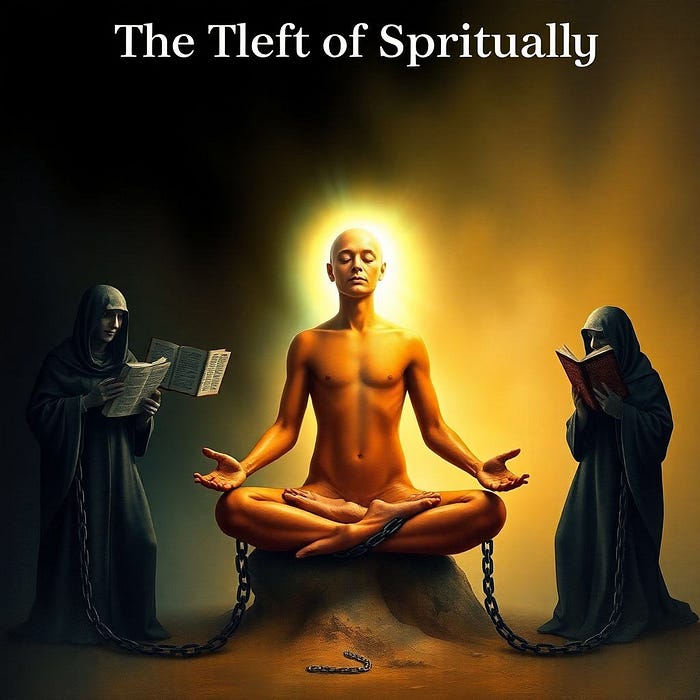
The control exerted by sacred texts extends beyond individual beliefs to societal structures. Organized religions, built upon these texts, often wield significant power and influence over communities and nations. This institutional control further reinforces the prescribed beliefs and practices, creating a collective consciousness that aligns with the religious doctrines. The societal pressure to conform to these beliefs can be immense, discouraging individuals from exploring their spirituality outside the confines of the religious framework. This collective reprogramming perpetuates the theft of spirituality on a larger scale, affecting generations of individuals.
The true essence of spirituality lies in the freedom to explore, question, and connect with the divine in a way that resonates with our unique being. It is a journey of self-discovery, inner growth, and profound connection with the universe. However, the imposition of religious texts often diverts this journey, leading individuals down a path that is not in harmony with their true nature. The theft of spirituality occurs when individuals are robbed of their ability to connect with the divine on their terms, replacing genuine spiritual experiences with prescribed beliefs and practices.
To reclaim our spiritual power, it is essential to recognize and question the influence of sacred texts on our beliefs and imagination. This process involves introspection, critical thinking, and a willingness to explore spirituality beyond the boundaries of religious doctrines. By reconnecting with our inner being and trusting our spiritual experiences, we can break free from the imposed limitations and rediscover our true spiritual potential.
The theft of spirituality through the creation of sacred texts is a subtle yet profound manipulation of our imagination, thoughts, and beliefs. These texts, while revered by many, often impose a rigid framework on our spiritual experiences, reprogramming our subconscious and conscious minds in ways that may not align with our true nature. To reclaim our spiritual power, we must question the influence of these texts and reconnect with our intrinsic spirituality, embracing the freedom to explore and connect with the divine in our unique way.