

The Mystic Promise of Creativity
Learnings from Uenoland 2019
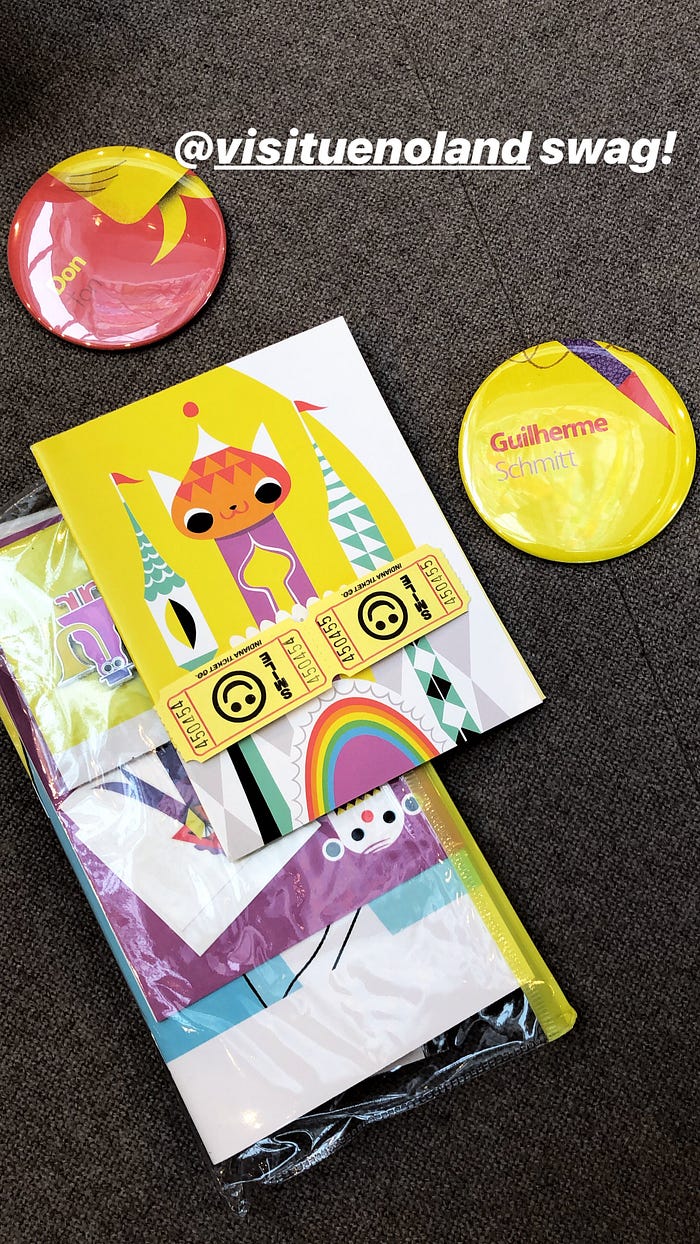
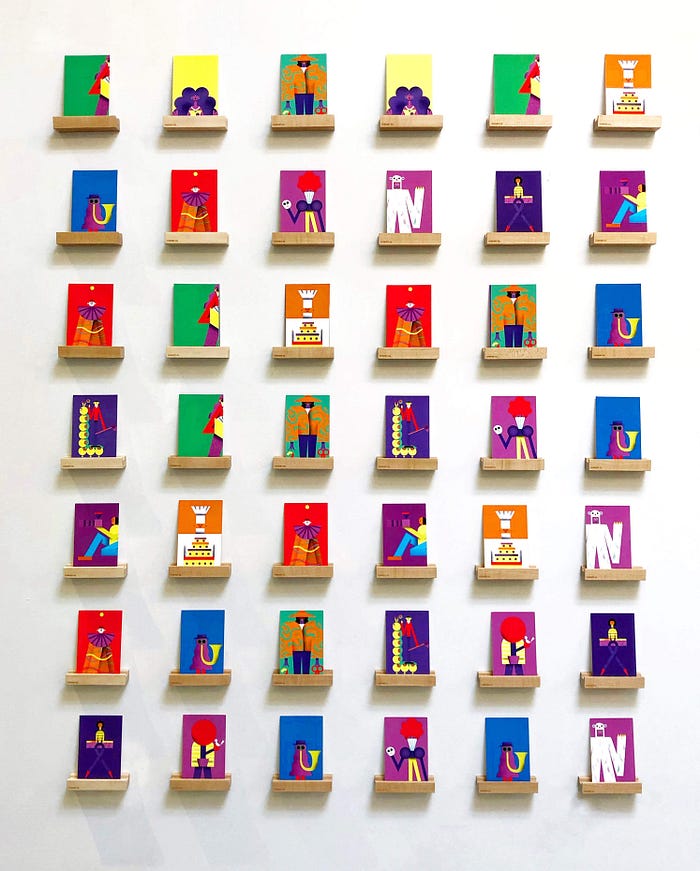
In early May of 2019, Ueno had their very first conference — Uenoland. Their announcement was surrounded in mystery. Instead of your typical design conference speaker list, a concept was declared: to do something different, to break the tradition of design conferences.
Knowing Ueno for its quality output and great personality, I jumped right in on the early bird ticket. After two inspirational days of fun activities, somber reflection, and note taking in New York City, these are some of my learnings from Uenoland.
Subverting the status quo, having fun along the way
Tech always has been in its little bubble. In general, it's been a great, optimistic one. However recently, as shows like Silicon Valley have shown, the industry has been perceived as a bit self-centered on minor problems. Not anymore. Digital products have shown to have a significant influence in society with more profound and far-reaching consequences than ever imagined (hello democracy). With scrutiny being raised by the general public over tech companies, the pressure is on for anyone that could help make those hard decisions. Designers finally have a seat at the table — what are they doing with their new powers?
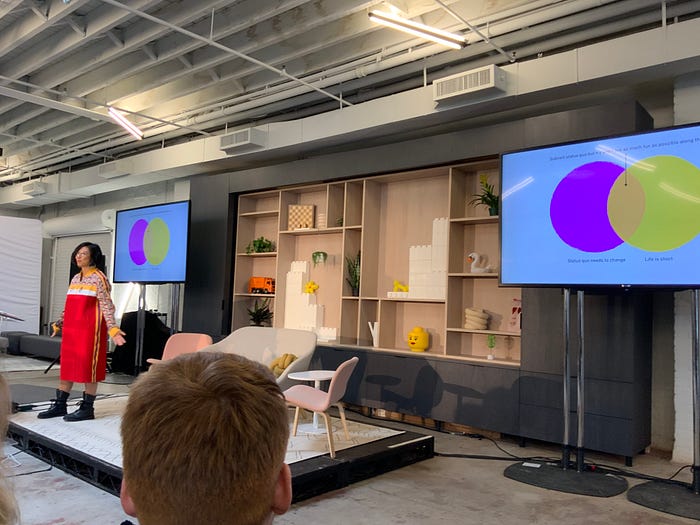

As self-described "designer-who-doesn't-fit-into-a-category" May-Li Khoe puts it on the inaugural Uenoland talk — designers do have the power to disrupt things, but that heaviness doesn't have to be a burden. The power of creativity can be used for good and through unexpected ways — like suppressing the negative aspects of walls that would otherwise separate to bring people into unison. Or simple, small touches of humanity in digital products that not everyone might care, but ads up in the long run — like adding pink hearts to macOS Photo Booth app and showing the need for differences nuances of expression being a woman in a highly male-dominated field.
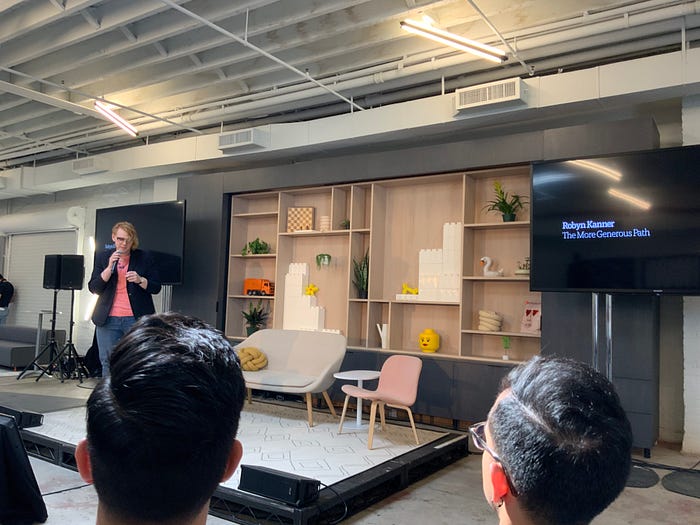
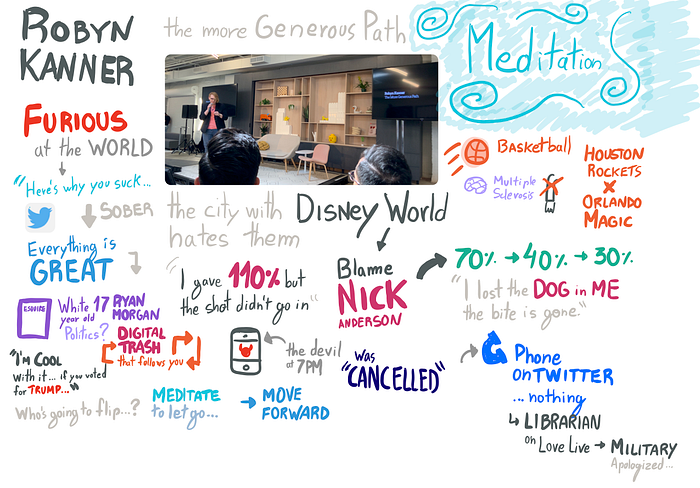
Robyn Kanner exposed the dangers of cyber-bullying and the modern cancel culture — being a victim of that practice herself after writing an article on the New York Times empathizing with an Esquire story about white, middle-class boys growing up in conservative states in the US. For Robyn, starting a conversation — and not an accusation — is the first step towards bridging gaps to build a more empathetic world. To do so, she posted her phone number on Twitter, exercising the ability to listen, understand, empathize. Much of the human factor seemingly lost in the tech world just needed a proper avenue to flourish — and actions to be made in its favor. Inspiring stuff.
Taking the leap

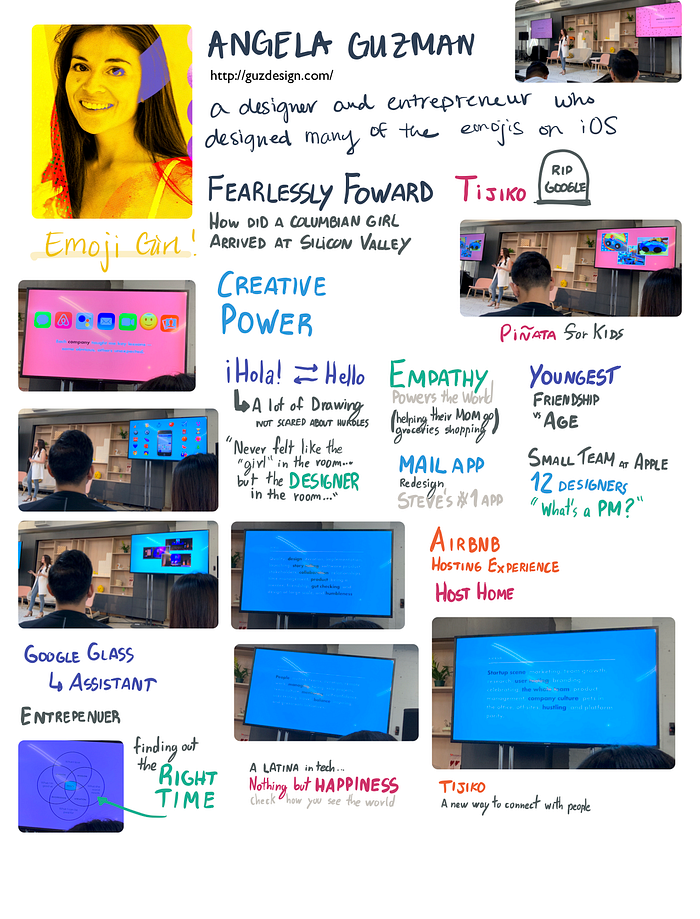
A lot of designers dream to work for big companies in the tech space. Some of the speakers, however, decided to move own to do their own thing elsewhere. Angela Guzman shared her struggles becoming an entrepreneur after leaving Apple, Google, and Airbnb in the past to start something with her voice. Their cultural impact — helping create the very first set of emoji — and thirst for cultural connection, coming from Columbia, encouraged her to be fearlessly forward while using empathy to relate to people's issues on a personal level.
Little daily steps, long journeys
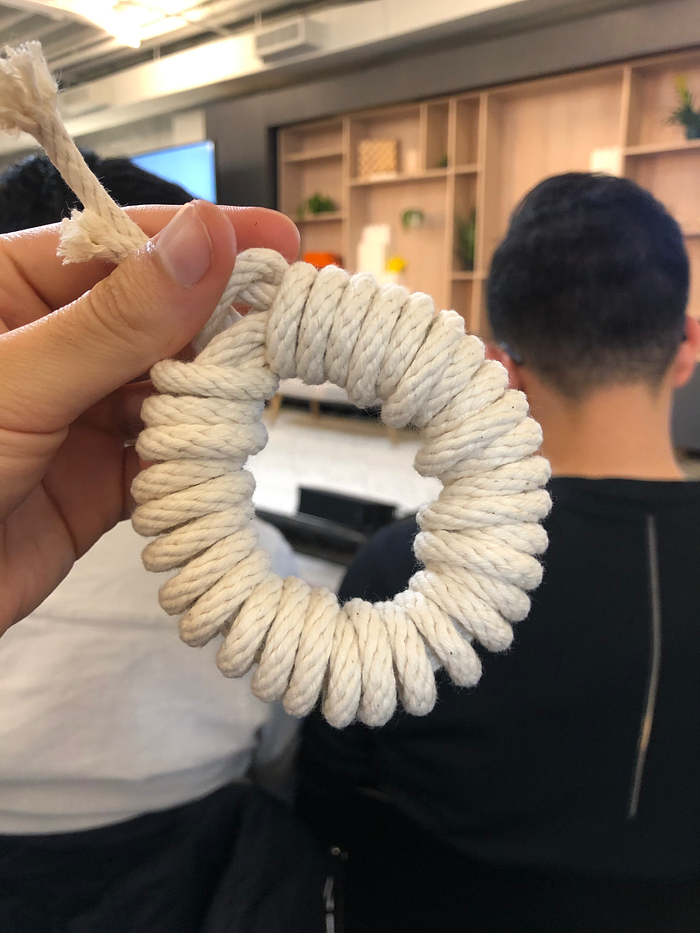
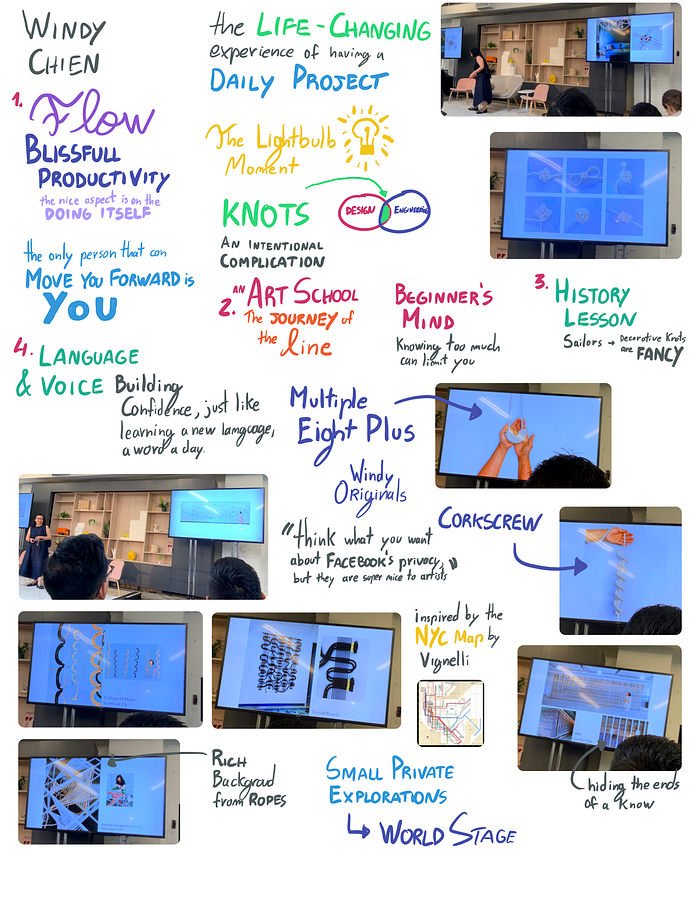
The power of habit has been well documented in self-help books or pushy diets, but for Windy Chien, small practices have changed their careers. Windy tried to create a brand new knot every day — and promoted the idea of blissful productivity — when the attractive aspect of doing something is in doing the action itself. Her beginner's mindset towards knot making, allowed her to create brand new knots that were considered impossible — proving that there comes a time that too much expertise in a particular creative field can harm our abilities to think outside of the box.
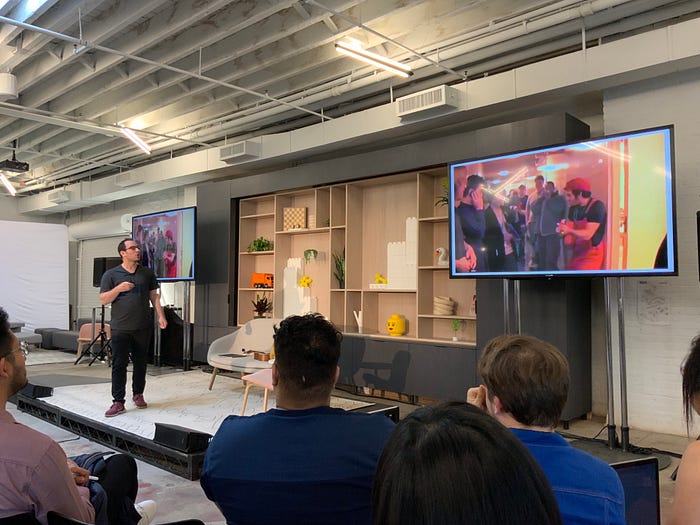
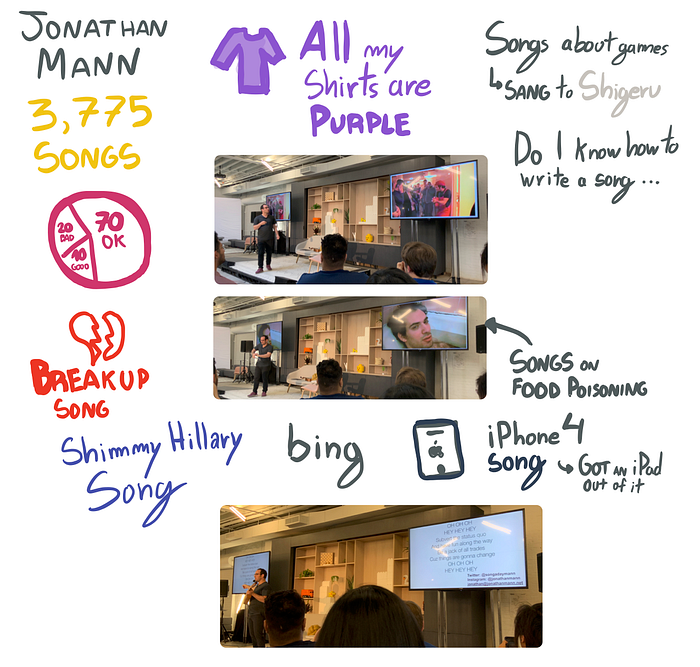
Jonathan Mann currently holds the Guinness Record for the number consecutive days writing original songs — over 3,700! According to Jonathan, 70% of songs they'd make will be mediocre, 20% will be considered bad but 10% will be considered amazing. The sheer volume of output needed to keep his record made so that there were whole albums of songs written when they were sick, about the feelings of being sick, which is not something you can say about most musical acts out there! Jonathan is notorious around the Apple fan base, for having his video featured in Apple's Antennagate's press conference and composing the theme song for Accidental Tech Podcast, one of the most popular Apple podcasts. They wrote a brand new song summarizing the learnings of each day of the conference, in a truly clap along moment.
The constraints of creation
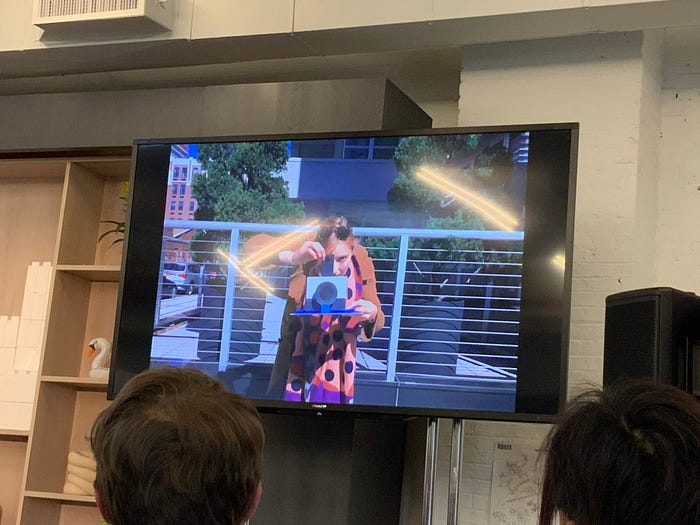
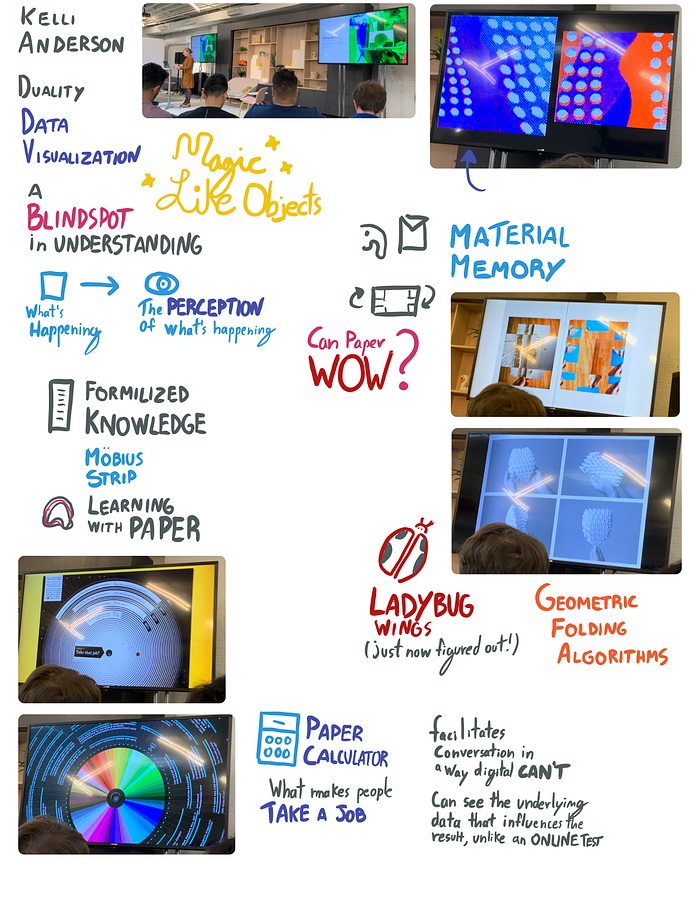
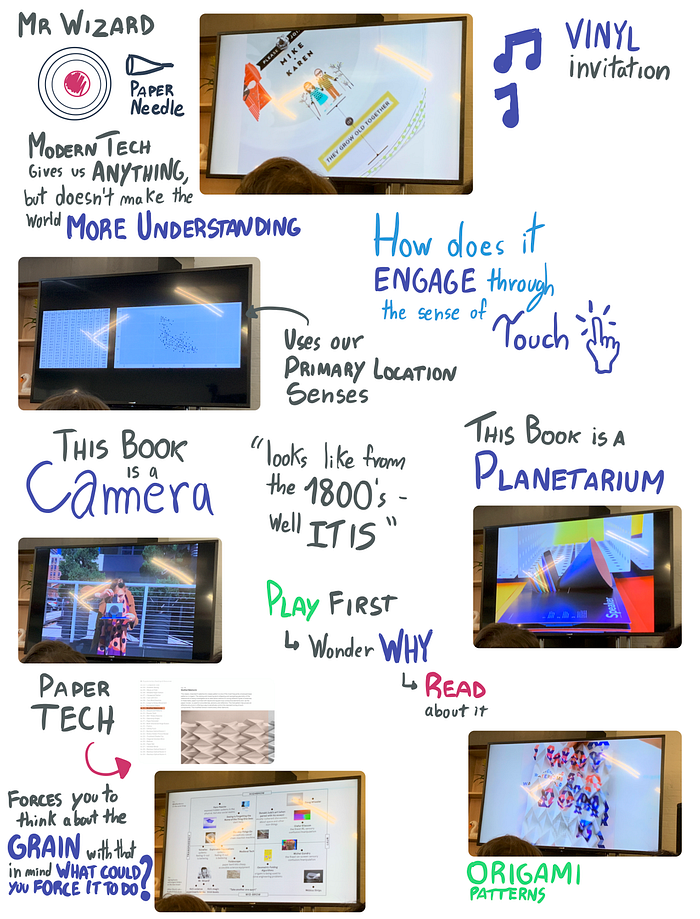
For some creators, their medium proved to be a valuable creative source. Kelli Anderson pushed the boundaries of what was previously considered possible with her projects to use paper to recreate music instruments and planetariums. What others saw as inherent and unsurpassable limitations were seen by her as opportunities.
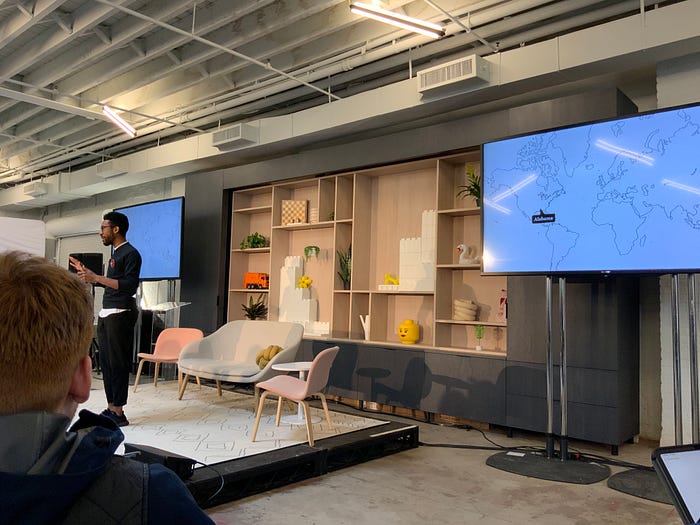

Jonathan Key asked himself about his role as a designer — and found his drive — augmenting the voice of groups and communities via strong visuals to express themselves in printed media. Their zines focused on queer black people, having issues on their relationship with technology (borrowing classic macOS UI elements) romance and west coast culture.
Meta conference


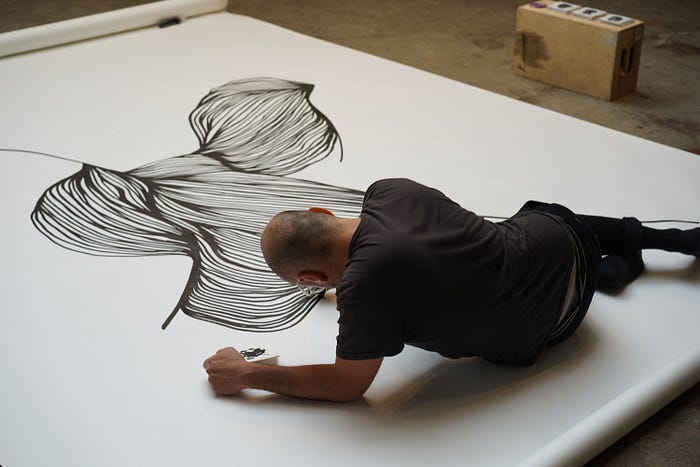
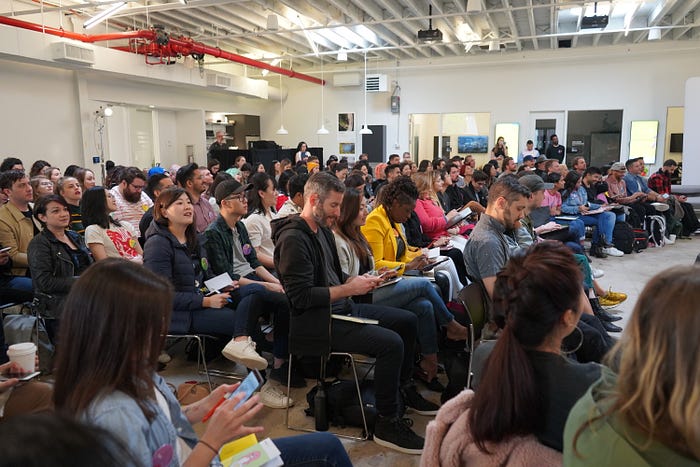

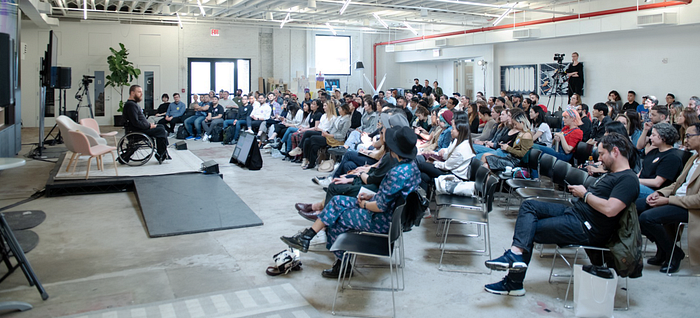
Did Uenoland break the mold? Yes and no. Like any creative endeavor that set themselves to break norms, Ueno's first conference attempt was a little strange and haphazard. But its heart was in the right place — the smaller scale helped people mingle, the diverse activities to pass the time (games, photo ops, live art!) made what would be boring or awkward into something that's memorable. Oh, did I mention that they had a MAGICIAN?
Conclusion
Going out of Uenoland, the promise of creativity is still as mysterious as ever — but not as daunting. Of course, when looking through a retrospective lens, it's easy to see success stories and think that everyone is thriving in their pivots to whole new areas of creation. Uenoland kept the focus on stories — both the victories and the internal struggles — the journeys of self-doubt, the path not traveled, the fight to enable voices not commonly heard.
The promise of creativity relies on its relentlessness to make something unique — with a soul, a voice, a mission, a character or identity that with the potential to evoke emotions beyond the simplistic nature of getting something done or checking a box in a spreadsheet.
Care for attention in little details can transform the mundane in profound, striking, touching, and atemporal experiences of human interaction. The promise of creativity, much like the first Uenoland itself, is far removed from an idea of perfection — but it is within those seams that we can see humanity — the pure intentionality of building something meaningful.
In the modern era of creation — the promise of positive disruption might be one seemingly silly idea away.