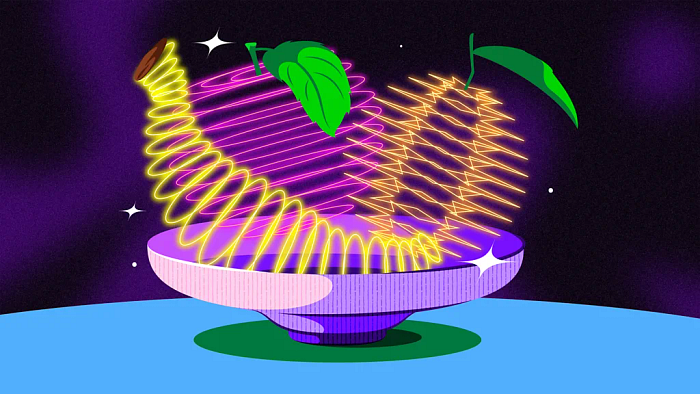
The AI That Sees Emotion in Shapes and Colors So, like, how AI and our brains mix up senses to totally change how we see stuff. What does a square even feel like emotionally? And what sound fits best with the color blue?
So, so far these questions may seem quite silly and even weird, but really goes into this very beautiful part of how we think; the brain's capability for mixing and merging many of our senses. So that is something we call cross-modal perception, which makes the whole world understandable to us. This recent study has showed, however, that also the work of AI works very similar in this regard. It almost turns out to be a messy web of sensations.
These connections have real-world applications
Researchers have found that red and pink tones convey sweetness, while yellows and greens convey sourness. Even the shape of food packaging can affect how we perceive the taste: curvier shapes are perceived as "sweeter," while sharper, more angular shapes seem bitter or bitter/harsh.
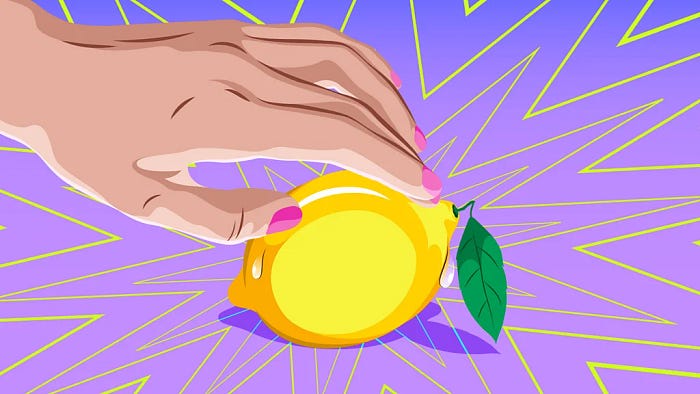
These associations are not random stuff that have come about over time but are wired into our brains. "In nature, color is often tied to survival," says Dr. Sophie Arnaud, a cognitive neuroscientist at the University of Paris. "For example, when fruits ripen they go from green to red; we associate this color with sweet and safe. These connections are learned and reinforced over generations." When AI meets the senses.
All of this pertains to the training data that feeds those generative models of how humans see things and what AI takes in. Researchers learned that some AI systems, like ChatGPT and DALL·E, vibe on the same sensory feelings that people do. In one experiment, they asked AI questions such as,
"What flavor do you associate with the color orange?" or "What shape feels most sour?"
So in some pretty awesome tests, scientists had AI come up with playlists that were "tasting sweet" or "feeling sour." They were totally stunned to discover that the songs AI created were as frequently just as good as those selected by people. Learning from AI's sensory experiments.