
For most of my life, I equated possession with value and worth. Rooms in our house were a testament to this belief, overflowing with items that were seldom used but always present. Growing up with a mother who had hoarding tendencies was like living inside a time capsule, each object a tangible memory, a relic of the past. But over time, the weight of these possessions began to feel more oppressive than comforting. It took a personal journey to understand the psychology behind my mother's attachment and to embrace the liberating philosophy of minimalism.

1. Living in a Time Warp
As a child, every corner of our home felt like an archaeological site. There was a story behind each object, often nostalgic tales of days gone by. But as I grew older, I began to feel stifled by the sheer volume of 'memories'. The physical clutter transformed into emotional clutter, causing anxiety and a sense of being perpetually trapped.
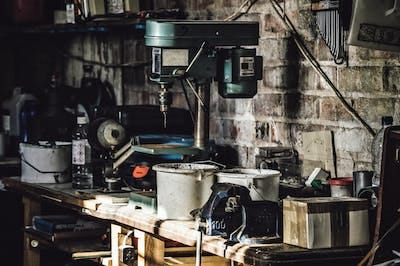
2. The Psychology Behind Hoarding
Hoarding, at its core, is often a response to trauma or significant emotional events. For my mother, holding onto items was a way to hold onto moments, to freeze time in an ever-changing world. The objects became her safety net, a way to mitigate the impermanence of life.
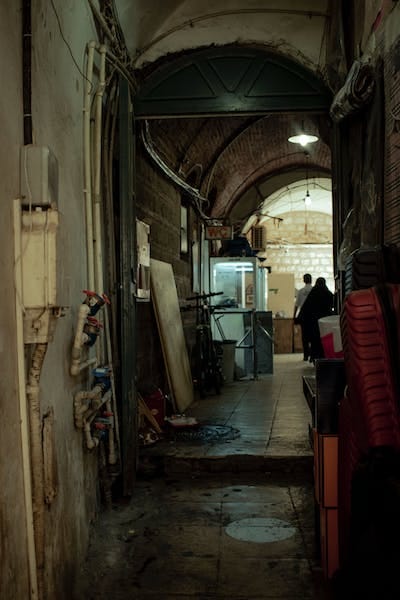
3. The Awakening: Discovering Minimalism
As I ventured out on my own, I sought a different path. I stumbled upon the concept of minimalism. At its heart, minimalism isn't just about having fewer possessions. It's about making space for what truly matters, decluttering both our physical spaces and our minds.
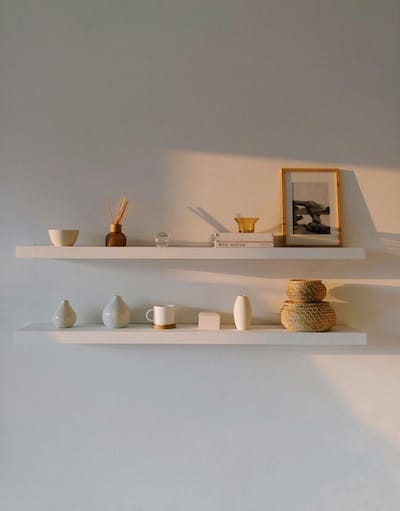
4. Steps to Embrace Minimalism
- Evaluate Your Possessions: Not by their monetary value but by their emotional and practical value. Does it serve a purpose? Does it bring joy?
- Start Small: Begin with a drawer, a corner, or a shelf. The idea is to build momentum.
- Digital Declutter: Minimalism extends to the digital realm too. Organize files, unsubscribe from unwanted emails, and curate your social media.
- Adopt Mindful Purchasing: Before buying, ask yourself if you genuinely need the item. Delaying purchases can often reveal them as mere passing desires.

5. The Personal Transformation
Shedding the weight of unnecessary possessions felt like taking a deep, cleansing breath after years of shallow breathing. The spaces in my home mirrored the newfound space in my mind. Without the constant visual reminders of clutter and the past, I felt more present, more grounded in the 'now'.

6. Healing and Understanding
My journey into minimalism wasn't just about decluttering spaces; it was about understanding and empathizing with my mother's fears. With time, we found a middle ground. We started with gentle conversations about the importance of cherishing memories over material objects. Slowly, she too began to see the value in letting go.

Conclusion
Minimalism is more than an aesthetic or a trend. It's a conscious choice to prioritize quality over quantity, experiences over possessions, and the present over the past. It's a journey of understanding, healing, and rediscovering the simple joys of life. For those buried under the weight of possessions, remember, it's not the things but the moments that make life worth living.