Introduction
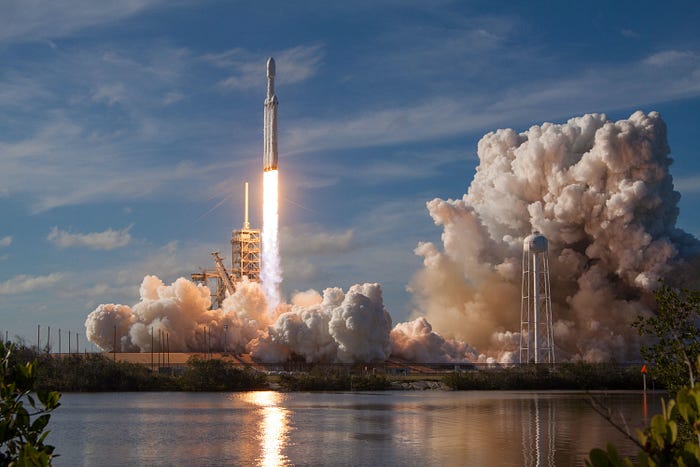
Space exploration has always captivated the human imagination. It represents our innate curiosity to venture into the unknown, to push the boundaries of science and technology, and to unlock the mysteries of the universe. Two of the most prominent names in modern space exploration are NASA (National Aeronautics and Space Administration) and SpaceX (Space Exploration Technologies Corp.). The collaboration between these two entities has redefined the landscape of space exploration, making it an exciting and transformative era for humankind.
The Genesis of SpaceX
SpaceX, founded by Elon Musk in 2002, is a private aerospace manufacturer and space transportation company. Musk's vision was to reduce space transportation costs significantly and enable the colonization of Mars. From its humble beginnings, SpaceX has grown to become a powerhouse in the aerospace industry. It has achieved several groundbreaking milestones, such as the first privately funded spacecraft to reach orbit and the first privately developed spacecraft to dock with the International Space Station (ISS).
NASA's Pioneering Legacy
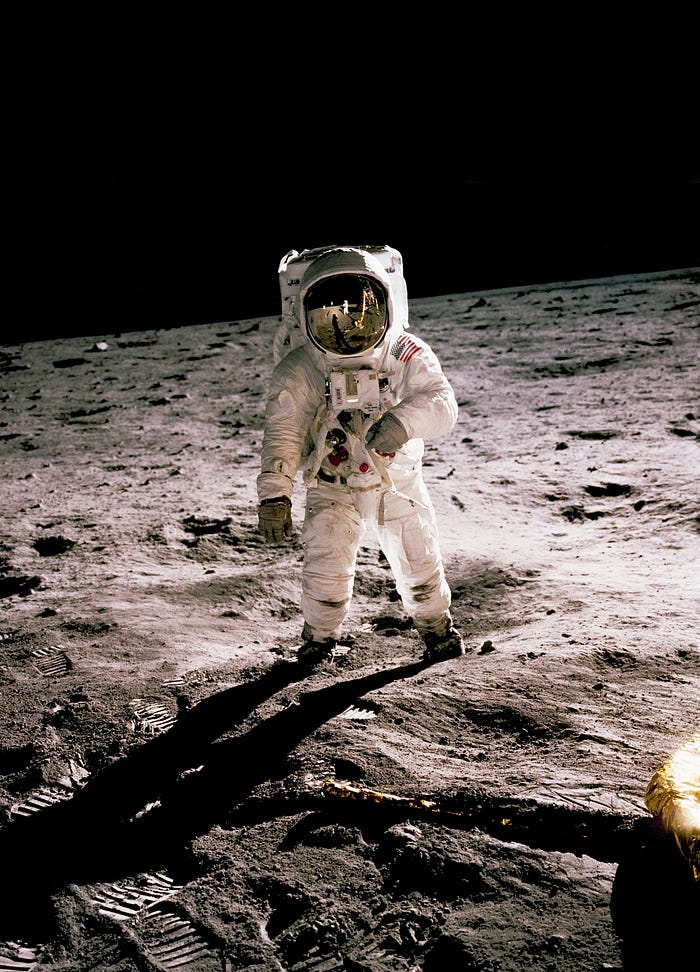
NASA, established in 1958, is the United States government agency responsible for the nation's civilian space program and for aeronautics and aerospace research. It has a rich history of space exploration, with achievements like the Apollo moon missions, the Space Shuttle program, and the Mars rovers. NASA's legacy is a testament to human ingenuity and the pursuit of knowledge beyond our planet.
A Transformative Partnership
The partnership between NASA and SpaceX has been transformative for several reasons:
Commercial Space Travel:
- NASA's Commercial Crew Program has enabled private companies like SpaceX to develop and operate spacecraft for missions to the ISS. SpaceX's Crew Dragon, a crewed spacecraft, successfully transported astronauts to and from the ISS, reducing dependence on Russian Soyuz spacecraft and opening up opportunities for commercial space travel.
Cost Reduction:
- SpaceX's innovative approach to reusability has drastically reduced the cost of launching payloads into space. The Falcon 9 rocket, designed for reusability, has successfully completed multiple missions, making space exploration more cost-effective and sustainable.
Lunar and Martian Aspirations:
- NASA's Artemis program aims to return astronauts to the Moon and establish a sustainable presence there. SpaceX's Starship, a fully reusable spacecraft, has been selected by NASA to be a key component in this endeavor. Starship's potential for carrying humans to Mars aligns with NASA's long-term goal of human exploration beyond Earth's orbit.
Satellite Deployment:
- SpaceX's Starlink project, which aims to provide global internet coverage through a vast constellation of satellites, has partnered with NASA to improve communication capabilities in remote and underserved areas. This collaboration showcases the versatility of SpaceX's technology beyond space exploration.
Challenges and Future Endeavors
While the partnership between NASA and SpaceX has achieved remarkable milestones, it also faces challenges. The complexities of deep-space exploration, sustainability, and international cooperation are just a few of the issues that demand innovative solutions.
The future holds exciting possibilities, including crewed missions to Mars, the establishment of a sustainable lunar outpost, and the continued deployment of Starlink satellites to bridge the digital divide. Collaborative efforts between NASA and SpaceX will be crucial in overcoming these challenges and ensuring the success of these ambitious endeavors.
Conclusion
NASA and SpaceX represent the perfect blend of government-led expertise and private-sector innovation. Their partnership has revolutionized space exploration, making it more accessible, sustainable, and promising than ever before. As we venture further into the cosmos, the collaboration between these two entities will continue to shape the future of humanity's presence in space and unlock the mysteries of the universe. Together, they are pioneering the next chapter in the history of space exploration, inspiring generations to come.
