
As a young entrepreneur, I am always on the lookout for new and innovative ways to grow my wealth. With my passion for investing, I have dived into the world of cryptocurrencies and have been constantly searching for ways to optimize my investments.
That's why I decided to create my own crypto trading bot with Python. With this bot, I am able to execute trades based on market conditions and safe time to focus on other aspects of my business.
In this blog, I will be sharing my journey and the step-by-step process I followed to create a crypto trading bot.
Whether you're a young entrepreneur like myself, or just someone looking to automate your cryptocurrency investments, this guide will provide you with the necessary tools to create your own crypto trading bot. So let's get started!
Step 1: Research and Planning
The first step in creating a crypto trading bot is learning about the cryptocurrency market, understanding different trading strategies, and deciding on the best approach for your bot. To gain a better understanding of the crypto market, I spent a significant amount of time reading articles, forums, and books.
Step 2: Setting Up the Development Environment
The next step was to set up the development environment. I used Python 3 and installed the required libraries, such as Pandas, Numpy, Matplotlib, and Ta-Lib, to help me with data analysis and technical indicators.
Step 3: Connecting to the Crypto Exchange
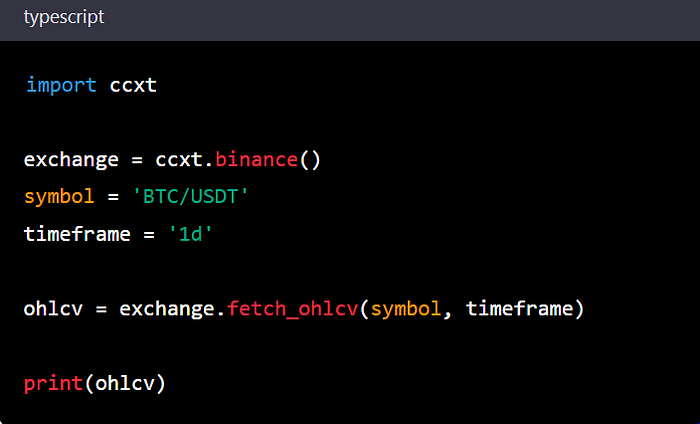
To connect to the crypto exchange, I used the Python library called ccxt, which supports more than 100 different exchanges. I created a Python script to connect to the exchange and retrieve historical data for analysis.
Here's a visual example of the Python script for connecting to the crypto exchange and retrieving historical data:
Step 4: Data Analysis and Technical Indicators
I created trade signals and conducted a technical analysis using the information I had obtained from the exchange. To assess the direction and strength of the market, I employed a variety of technical indicators, including moving averages, Bollinger Bands, and the Relative Strength Index (RSI).
Step 5: Building the Trading Strategy
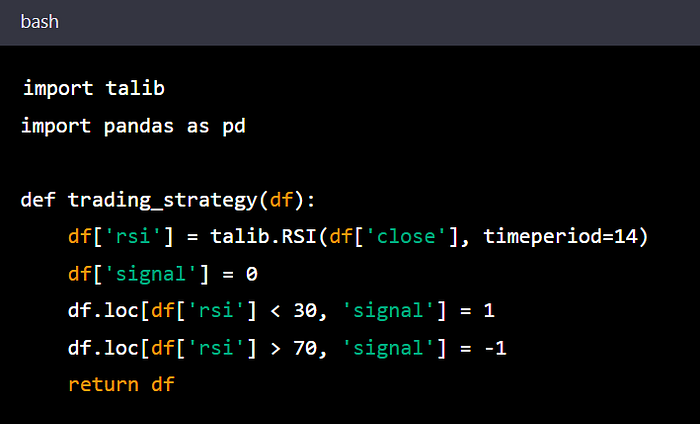
Based on the data analysis and technical indicators, I built a simple trading strategy that buys and sells based on the signals generated by the indicators. My trading strategy was to buy when the RSI value was below 30 and sell when the RSI value was above 70.
Here's a visual example of the Python script for the trading strategy:
Step 6: Implementing the Trading Bot
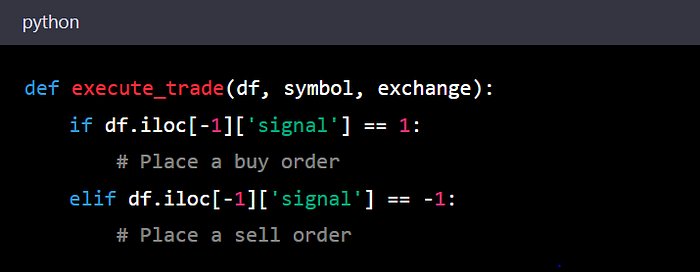
I implemented the trading strategy in a Python script that connected to the crypto exchange and executed trades based on the signals generated by the indicators. I tested the bot on historical data to make sure it was working as expected.
Here's a visual example of the Python script for implementing the trading bot:
Step 7: Backtesting and Optimization
The final step was to backtest the trading bot on historical data to see how it would perform in different market conditions. I also made some optimizations to the trading strategy and bot to improve its performance. I continually monitored its performance and made adjustments as needed.
In conclusion, building a crypto trading bot in Python was a great learning experience for me. I gained a deeper understanding of the cryptocurrency market and learned how to use technical indicators and build a trading strategy. If you're interested in creating your own crypto trading bot, I would recommend giving it a try. Just remember to always backtest your bot before using it with real money.
I hope this blog has been helpful and provides a clear roadmap for creating a crypto trading bot in Python. Good luck with your bot-building journey!