
You can Checkout this Site for Amazing Content. Click here!
Did you know that 90% of LinkedIn users are "lurkers"? A Pew Research survey shows that the majority of users are lurking, browsing, and consuming content on the platform.
This means that while you might want to scream to be heard to get attention, there is a better way to be heard without saying a word. It is not always necessary to be loud to be heard.
Indeed, some of the most popular and effective LinkedIn profile owners have learned how to create trust and authority signals without saying a word. This I like to refer to as the "Silent Strategy."
It enables you to stand out, gain trust, and attract business without the pressure of daily updates or the need to produce perfect content.
In this article, I am going to explain to you what the Silent Strategy is, why it is effective, and how you can use it to become an authority in your niche.
Why Being Loud Isn't Always the Answer

LinkedIn can be confusing at times. Each time I open the site, it feels like someone is publishing a thought leadership article, tooting their horn over their achievements, or celebrating their success.
LinkedIn was founded in 2002. Today, it has over 1.2 billion, yet only around 1% of them create content. Why?
It is possible to get into a mindset where you feel like you need to post something new or something that is revolutionary daily.
But here's the truth- it is also important to understand that being loud is not the same as being loud.
But here's the truth: being loud isn't the same as being effective.
The Silent Majority
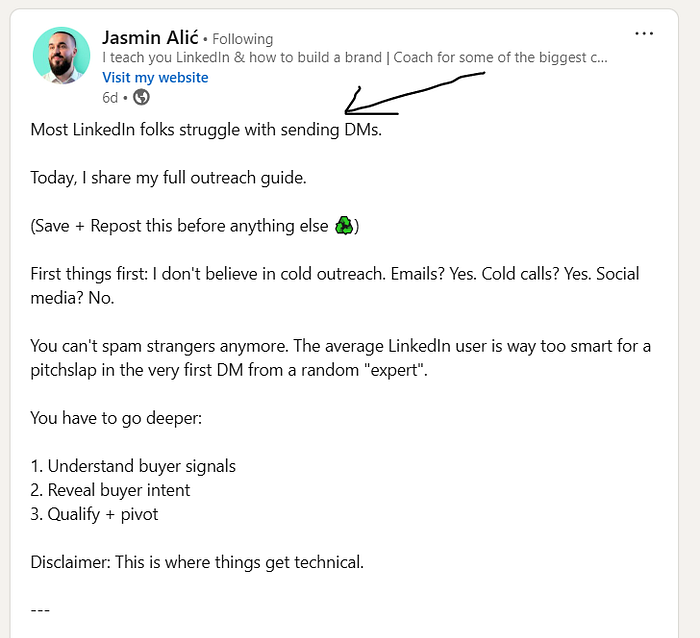
When I first started on LinkedIn, I thought the more I posted, the better my chances of being seen. I spent hours crafting posts, making sure they were perfect, then I would hit publish with high hopes.
But sometimes my most carefully crafted posts would receive little attention, while a simple post that I made in a hurry would receive a lot of attention.
70% of the LinkedIn users are passive users who only read the content without contributing any of their own. These are people who only read or watch but do not contribute anything in the conversation.
Though they might not be liking or commenting, they are still following the posts. This is where the Silent Strategy comes into play.
The Silent Strategy: What It Is and Why It Works
The Silent Strategy is a concept that revolves around gaining people's trust and establishing oneself as an authority in the LinkedIn platform without necessarily having to say much.
It is not as much about the words you speak, but the image you portray, the causes you endorse, and the regularity with which you do so.
- Trust Is Built Over Time
The Edelman Trust Barometer shows that consistency is one of the most effective ways of building trust. It is for this reason that people associate themselves with people and products that are consistent and authentic.
The Silent Strategy builds on this by using small, unnoticeable behaviors that will make people perceive the target individual as credible and dependable in the long run.
2. Actions Speak Louder Than Words
You have probably heard this phrase before, and it is as valid on LinkedIn as it is anywhere else. It is often said that actions speak louder than words and this is very much true in the context of trust.
For example: When one shares information from other sources, he or she is being kind. Responding to other people's posts is a way of showing that you are interested in what they have to say.
Writing recommendations is a good way of endorsing skills as it shows professionalism. All of these actions do not involve creating posts from scratch, but all of them help build your reputation.
3. It's About Being Seen, Not Heard
It is important to be visible on LinkedIn, but that does not imply that one has to shout on the loudest horn.
The Silent Strategy is about being strategic about the visibility you create- making sure your name and your profile are out there where they need to be without being in people's faces all the time.
The Four Pillars of the "Silent Strategy"
When it comes to the Silent Strategy, there are four main principles that should be followed- Your profile, engagement, curation, and network are all integral to your professional and personal development. Let's break each one down.
The second tip is about optimizing your profile, this is your silent salesperson. Your LinkedIn profile is your personal online store window.
It's important to be aware that even if you are not actively participating, others are coming to your profile to know more about you. For instance, LinkedIn data reveal that profiles with filled-in information are viewed 30% more often.
Here is how one can turn the profile to his/her advantage-
a) Craft a Compelling Headline
Headline is one of the first things people notice when they read your article, so make it good. Instead of including your job title, it is better to describe what you do and to whom you do it for.
For example: "How Data-Driven Marketing Can Help Small Businesses Grow" "HR Leader- Creating Inclusive Workplaces for High Performance"
b) Create an interesting About page
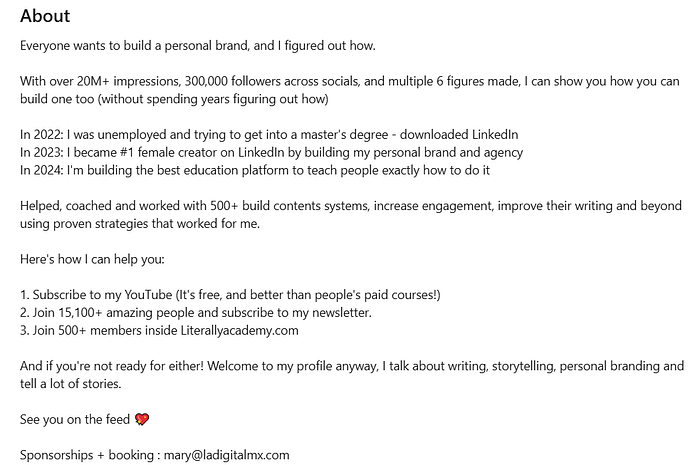
This is where you get to tell your story of how the organisation came to be, who it is, and what it does. Emphasize your strengths, what you are passionate about, and what sets you apart from the rest. Avoid sounding too technical and formal and always think from the perspective of how you can be of help to others.
c) Showcase Your Work
Include the featured posts, projects, or case studies to your profile. This makes people perceive you as an authority in your field without your having to open your mouth.
d) Keep It Updated
It is recommended to update the profile with new roles, skills, and achievements from time to time. This is a sign of a lack of attention to detail and it is important that you update your profile regularly.
2. Thoughtful Engagement (Silent Conversations)
Engagement is the key factor in the Silent Strategy. This way, you can interact with the people and make them trust you without the need to post something new all the time. Here's how to engage strategically-
a) Comment with Value
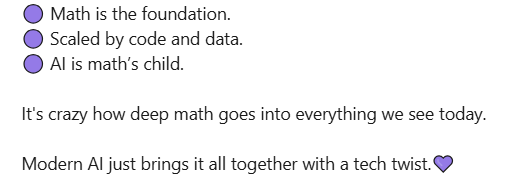
Instead of writing simple comments such as "Nice post!", try to provide some feedback or even ask a question. For example: Instead of: "Good advice!"
Try- I like your idea about [specific detail]. What do you think of this in relation to [specific situation]?
Not only do comments demonstrate that you have read the content, but they also make you look like you are contributing something valuable to the discussion.
b) Like Selectively
Do not simply like everything you see. Make sure to like posts that are relevant to your values, field of specialization or interests. Your likes are seen by your connections, so they are a passive-aggressive way of stating your beliefs.
c) Engage with Your Target Audience
If you're trying to build relationships with potential clients, collaborators, or employers, engage with their posts. This keeps your name on their radar without being pushy.
3. Curate Content (Be a Resource)
It is not necessary to write a new article to be considered an expert in the field. Organizing and disseminating knowledge can be as powerful as creating new one.
a) Share Articles or Posts
If you find an interesting article, forward it to your contacts and include a brief comment on why you liked it. For example: I really found this article on remote work strategies interesting. I particularly liked the part where [specific detail]."
b) Highlight Other Creators
Repost or comment on posts of your favorite creators. This not only helps in creating a positive image for yourself but also presents you as a person who is willing to help others in your area of specialization.
c) Create Playlists or Lists
Immerse yourself in the role of a curator. For instance, you could have a list of "10 Best Marketing Articles of the Month" or "5 Books Every Entrepreneur Should Read." This makes you a valuable source of information to the people who are interested in the topic.
4. Networking, also known as Silent Relationship Building
The power of LinkedIn lies in your network. Thus, it is possible to reach more people and have an impact without having to post frequently.
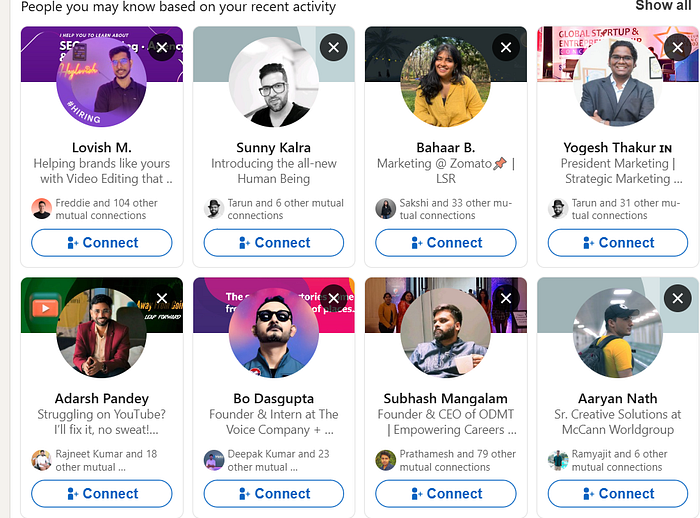
a) Connect with Intention
When you are sending connection requests, always make sure to write a message with the request. For example: Hi [Name], I recently came across your post on [topic] and I found it very interesting. I would like to talk to you more about what you do in [industry].
b) Leverage Recommendations
Make recommendations for the people you have worked with. These are seen on their profile and they are also beneficial for you in the process.
c) Engage in Groups
You should be a member of LinkedIn groups that are relevant to your industry and engage in the discussions. This is a very effective way of building rapport and introducing oneself and one's expertise.
The Results of the Silent Strategy
You might be wondering: does this really work? The answer is yes — and the results are quite telling.
Case Study 1: The Quiet Job Seeker One of my clients was having a problem of low profile on the LinkedIn platform. She did not like writing posts frequently which is why we adopted the Silent Strategy.
After two months of optimizing her profile and commenting and updating in a more purposeful manner, she began to receive messages from employers and other influential people in her field who had taken note of her comments and her updates.
She got her dream job without even writing a single piece of content for the website.
Case Study 2: The Thoughtful Marketer One more creator I collaborated with became a popular marketing specialist just by sharing useful materials and commenting on posts.
Eventually, people started mentioning him in the comments and including him in conversations and projects just because of his lurking.
Why the Silent Strategy Is Perfect for Introverts

If you are an introvert or a person who gets easily exhausted by posting, the Silent Strategy is a lifesaver. It is a way of gaining trust and having an impact in a way that appears genuine and realistic.
Instead of trying to grab people's attention and demand their attention, you are building a subtle yet effective brand that people listen to and remember.
Conclusion
All in all, the essence of the content creation is not in the creation of the perfect post; it is in the willingness to try, to fail, and to learn. If you want to get the audience's approval, don't focus on the refinement of the creative process but the process itself.
So, the next time you catch yourself in the perfectionism web, recall the following: your audience wants to know the real you and not the perfect person that you portray on social media.
Press that publish button, spread your opinion, and let your words reach out to the world. What's your experience with the Silent Strategy? Have you ever succeeded by thinking twice before speaking than by raising your voice to be heard?
If you have any comments or questions, feel free to share them below in the comments section. And if you read through this article, then don't hesitate to follow me for more tips on content creation and personal branding.
…………………………………………………………………………………………………
Enjoyed this read? Show some love by giving it a few claps 👏 and sharing it around!
Follow Webjinnee For More!
More great content is coming soon, so feel free to follow me here on Medium to stay updated.
Let me know your thoughts and feedback in the comments below!
Cheers! 🥂
I'm Nitin (Founder of Webjinnee), and I'll catch you on the next one! ✌️
…………………………………………………………………………………………………