
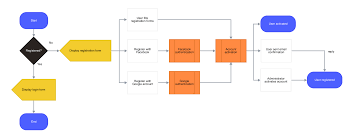
What is this article about? This article explores two (2) common signup flows: the traditional, multi-step approach and a modern, streamlined alternative. We'll discuss how each flow impacts user experience, conversion rates, and trust, including where Google Authentication can fit in.
Why does this matter? The signup process is more than just a form, it's the first handshake between your product and your user. A clunky experience can lead to frustration and drop-offs. A smooth, intuitive flow builds trust and keeps users engaged. Getting this right is critical for products aiming to scale.
Who is this for? This article is for product managers, UX designers, and anyone who cares about user onboarding. Whether you work at Amazon, Facebook, Tesla, or a startup, optimizing your signup flow can significantly improve user acquisition and retention.
Introduction
The signup process is often taken for granted. Most platforms default to the familiar, step-by-step flow users have seen for years. However, as user expectations evolve, so should our approach.
How can you design a signup flow that feels effortless, secure, and fast? We'll compare two approaches:
- The Traditional Multi-Step Flow: Secure but lengthy.
- The Modern Streamlined Flow: Fast and flexible, with options like Google Authentication.
We tested both approaches and discovered that Flow 2 led to higher signup rates, proving that a faster process reduces user drop-offs.
Before implementing any flow, remember: that how user data is collected must comply with the privacy laws of the countries where your users are located (e.g., GDPR, CCPA).
By the end of this article, you'll have a clear understanding of which flow better aligns with user behavior today and why.
Flow 1: The Traditional Multi-Step Signup
This is the most common signup process. It looks like this:
- Select role (optional)
- Enter email
- Enter password
- Create username (optional)
- Submit
- Receive email verification (token or link)
- Login
- Complete onboarding
- Receive a welcome email
Why it works:
- Familiar: Most users know this process well.
- Secure: Email verification prevents fake accounts.
- Control: Users immediately choose their role, username, and password.
Why it falls short:
- High friction: Multiple steps mean more opportunities for users to drop off.
- Decision fatigue: Asking for a role, password, and username upfront can overwhelm users.
- Slower time-to-value: Users invest time before they even experience your product.
Where it shines:
- Platforms prioritizing account security or heavy user personalization from Day 1.
- Industries like finance, healthcare, or enterprise software, where trust is critical.
Flow 2: The Modern Streamlined Signup
This flow prioritizes speed and reduces friction:
- Enter email.
- Submit.
- Receive a welcome email with temporary login credentials (auto-generated username and password).
- Login
- Mandatory password update for security.
- Customize your username and role during onboarding.
Why it works:
- Fast and simple: Users start with just one step, entering an email.
- Flexible: Users update their roles and credentials later, avoiding decision fatigue.
- Google Authentication: Eliminates email typing and ensures verified accounts.
- Security maintained: A mandatory password update ensures long-term safety.
Why it stands out:
- Users get immediate access to your product, reducing drop-offs.
- The onboarding flow feels lighter, modern, and user-centric.
Where it shines:
- Platforms aiming for rapid user acquisition and a low barrier to entry.
- Products like social apps, content platforms, and SaaS tools that prioritize seamless onboarding.
Google Authentication: Supercharging Flow 2
With Google Authentication, users can sign up using their verified Google accounts. It replaces the first step (email entry) in Flow 2.
Benefits of Google Authentication:
- Frictionless: No need to type emails or remember new credentials.
- Trust: Leverages Google's reputation to boost user confidence.
- Fast: Signup takes seconds, reducing drop-offs even further.
For products targeting global users, Google Auth sets a high bar for convenience.
Which Flow is Better?
Traditional Flow (Flow 1):
- Best for platforms that need immediate user customization and strict account security.
- Works well for complex products where role selection and personalization are critical from Day 1.
Modern Flow (Flow 2):
- Better for products that prioritize speed and reducing barriers to entry.
- Encourages users to "try before they commit" while maintaining long-term security.
- Shines when paired with Google Authentication for a truly frictionless experience.
If your goal is to increase conversion rates and reduce drop-offs, Flow 2 offers a more modern, user-centric approach.
Conclusion
Signup flows are no longer just functional, they're strategic. The traditional multi-step flow (Flow 1) has been the industry default for years, but it often comes at the cost of user friction.
Modern flows (like Flow 2) challenge this by prioritizing speed and simplicity. By allowing users to sign up quickly, using just their email or Google Authentication, you can deliver a smoother experience that boosts engagement from the very start.
The best signup flow? It's the one that aligns with your product goals, keeps users happy, and gets them to value as quickly as possible.
I hope you found this useful.