

Having spent nearly 30 years of my life in Japan before venturing abroad for travel and work, I've experienced firsthand the cultural nuances surrounding silence. As a Japanese individual, I often found myself perceived as too quiet in other countries, highlighting a struggle that stems from a profound cultural difference in the perception of silence.
This led me to reflect on the role of silence within Japanese culture.
In our world, where technology's constant buzz fills our days, the subtle art of silence often goes unnoticed. In Japan, however, it is not an absence but a presence, not a void but a space filled with potential. Through the Japanese lens, silence takes on a deeper, more textured meaning.
The Art of Silence in Japanese Culture
Cultural Understanding of the Concept of Silence
Silence holds a cherished place in Japanese culture, weaving into everyday communication a layer that conveys much without words. It's not seen as mere quietude but as an expressive force, rich in respect, contemplation, and understanding.
Role of Silence in Various Facets of Japanese Culture
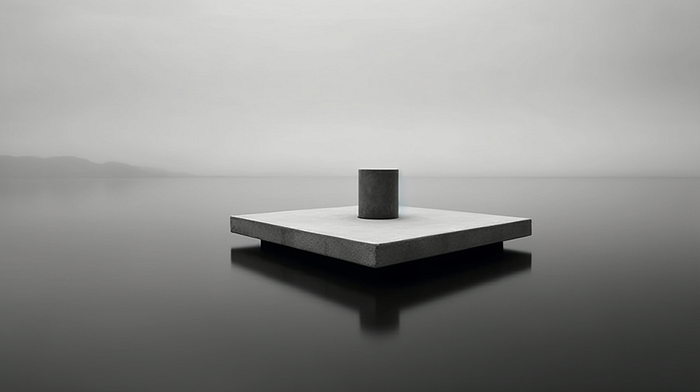
Silence touches every aspect of Japanese culture, making its presence felt through literature, art, traditional ceremonies, and even in business interactions.
- Literature: When it comes to the elegant art form of Haiku, it is often what is left unsaid that resonates the most. This 17-syllable verse is known for its brevity, but within its sparse lines, silence creates a poignant echo, inviting readers into a world of contemplative silence.
- Art and Architecture: Silence also permeates Japanese architecture and art through the concept of "Ma," referring to the spatial and temporal gaps between things. Think of it as the silence between notes in a music piece, giving shape to the rhythm and melody.
- Traditional Ceremonies and Rituals: The beauty of silence becomes palpable during traditional tea ceremonies. Each deliberate action is performed in hushed reverence, transforming the act of tea-making into a meditative experience.
- Business and Communication: In the realm of business, silence is a strategic tool. In the Japanese communication style, silence is seen as an indicator of active listening, allowing for deeper understanding and agreement without the need for excessive words.
In Japan, silence isn't just a peaceful pause or a quiet interlude; it becomes a vessel for deeper introspection, an impetus for heightened awareness, and a medium for expressing the inexpressible. Whether it's the quietude in a bustling marketplace, the unspoken understanding in a business negotiation, or the tranquil pauses in a traditional tea ceremony, silence carries with it a profundity that speaks to the very soul of Japanese culture.
This perspective on silence offers a fresh take compared to Western cultures, which sometimes view silence as awkward or uncomfortable. Here, silence is valued as an integral part of life, enriching everyday moments with its presence. It's seen not as an absence but as a backdrop that highlights life's quiet beauty.
Silence enables a deeper kind of communication, where feelings and understanding transcend words in Japan. It's a testament to the belief that "silence is golden," illustrating how a culture can embrace quietude, finding beauty in restraint and significance in the unspoken. Silence, in this context, becomes a powerful form of expression, adding depth and resonance to the simplest of moments.
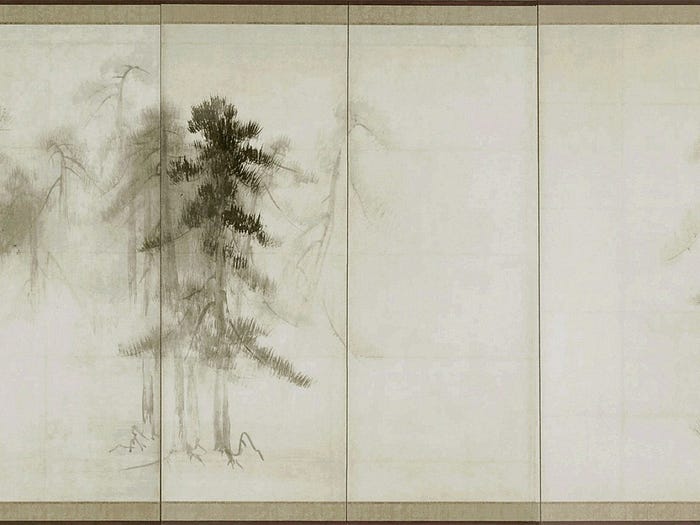
Shhh…Listen to the Science!
Psychological and Physiological Benefits of Silence
Silence is more than a cultural treasure; it is a boon to both our bodies and minds. Scientific studies demonstrate that silence can significantly benefit our brain and overall health. In an environment constantly filled with stimuli, silence provides the brain with a much-needed rest. Research indicates that in the absence of noise, the brain can enter a state of inward contemplation, which replenishes our mental resources (Krause, 2013). Furthermore, empirical studies suggest that silence can lower blood pressure, reduce heart rate, and decrease stress levels, contributing to a sense of calm and well-being (Bernardi, Porta, & Sleight, 2006).
Connection Between Silence and Mindfulness
The stillness of silence and the practice of mindfulness are interconnected, reflecting two aspects of a Zen philosophy. Mindfulness, a meditation form, encourages focusing on the present moment and accepting it without judgment. Engaging with silence naturally fosters a mindful state, enhancing awareness of our environment and internal thoughts and feelings. This symbiotic relationship between silence and mindfulness has been shown to improve emotional regulation, increase self-awareness, and foster a deeper sense of peace (Grossman et al., 2004).
Impact of Silence on Focus and Productivity
In today's multitasking culture, silence stands as a sanctuary for focus and creativity. A notable study by Duke University highlighted that two hours of silence per day can stimulate cell development in the hippocampus, a brain region associated with memory, emotions, and learning (Kirste et al., 2015). This finding suggests that silence can indeed enhance cognitive functions. Moreover, exposure to noise pollution has been correlated with decreased motivation and increased error rates. In contrast, silence can have the opposite effect, clearing our minds and bolstering our concentration abilities. This, in turn, leads to improved problem-solving skills, more innovative ideas, and increased productivity (Henderson et al., 2010). Therefore, when in need of heightened concentration, embracing silence could be remarkably beneficial.

Silence in Practice: Japanese Zen and Meditation
Zen and Meditation in Japanese Culture
Zen, a form of Buddhism that emphasizes direct, intuitive insight, has had an influential role in Japanese culture. With roots dating back to the 7th century, Zen is not just a philosophy; it's a way of life. It encourages simplicity, self-discipline, and, above all, the practice of meditation.
Meditation in Japanese culture is not just sitting quietly; it's a journey inward to understand the self and the universe. It's at the heart of traditional arts, martial arts, tea ceremonies, and even gardening. These activities serve as moving meditations, showing how deeply Zen and meditation are ingrained in the culture.
The Critical Role of Silence in Zen Practice and Meditation
Silence is the canvas on which Zen is painted. It's the foundation of Zen practice and meditation. In the silence, Zen practitioners aim to empty their minds, liberate themselves from subjective viewpoints, and attain a state of mushin or "no mind."
Silence is not merely the absence of sound. It's a space to observe the subtleties of life, the rise and fall of each breath, the sensations in your body, the fleeting thoughts crossing your mind. It creates a pause, a gap between thoughts that allows for deeper understanding and peace.
Benefits and Application of Zen Meditation in Daily Life
The wisdom of Zen meditation isn't locked inside temple walls; it's available for us to incorporate into our daily routines. Regular Zen practice can offer numerous benefits, from reducing stress and enhancing focus, to cultivating patience and improving emotional resilience.
In practice, Zen meditation isn't about achieving a permanent state of blissful silence, but rather learning how to return to the silence whenever life gets chaotic. It's about finding the silent spaces in between the cacophony of daily chores, traffic, work, and anxiety. It could be as simple as observing your breath for a few minutes each day, listening to the hum of nature, or becoming fully absorbed in a task. By bringing a slice of Zen into our lives, we not only get closer to silence but also closer to ourselves.

Embracing Silence in Modern Life
How to Incorporate Silence in the Hustle and Bustle of Modern Life
Modern life is full of sound and a race against time. We wake up to alarms, commute amid noise, work in chattering offices or bustling homes, and sleep to the hum of the city or the buzz of our electronics. Amid all this, silence seems like a luxury we can't afford.
But remember, silence is not the absence of noise; it's the presence of focus. It's about creating pockets of tranquility within the chaos. Here are a few ways you can incorporate silence into your daily routine:
- Start your day with a few minutes of silence: Before you reach for your phone or turn on the news, take a few moments to just sit in silence.
- Create silent zones: Designate certain times or areas in your house as quiet zones. This can be a particular room or a specific time of day.
- Practice mindful activities: Activities like gardening, cooking, or even washing dishes can become a silent retreat when done mindfully.
- Mindful commuting: Use your commute as a time for silence. Instead of always turning on music or podcasts, spend some time simply being present in the moment.
Lessons We Can Learn from the Japanese Culture Regarding Silence
The Japanese culture teaches us that silence is more than an auditory experience; it's a tool for understanding and communication. It helps us listen not just to what is being said but to what is left unsaid. It encourages us to appreciate the subtleties of life and the nuances of human relationships.
We learn that silence isn't emptiness but a space full of possibilities. It's a pause that lets us breathe, think, and feel more deeply. By practicing Ma, the concept of space, we can learn to value the pauses in our conversations, our tasks, and our lives.
Silence, as seen in Japan, is not a void. It's a realm of mindfulness where we can encounter ourselves, find clarity, and connect more deeply with the world. So, let's learn to embrace the silence, and listen to what it has to say.
A Quiet Conclusion
As we navigate the noise of our daily lives, it's worth pausing to consider the value of silence, as illustrated by Japanese culture. This approach to quietude is more than an aesthetic choice; it's a philosophical stance that fosters mindfulness, improves concentration, and contributes to our well-being. Silence in this context is not just the absence of sound but a break from the constant barrage of distractions, offering a space for deep thought and reflection.
From the quiet reflection encouraged in Zen Buddhism to the strategic pauses in business conversations, silence forms a core part of Japanese life, valued and cultivated. Yet, this appreciation for moments of quiet isn't confined to Japan; it's a universal concept, accessible to anyone willing to seek solace from the external clamor.
Thus, I invite you, the reader, to explore the tranquility within. By stepping back from the noise around us, we can discover the subtle yet profound messages our inner selves have to offer. Imagine silence as a symphony of life, filled with mindfulness, harmony, and peace. Just as a blank canvas holds endless possibilities, silence offers us a chance to uncover our fullest potential. Lower the volume of the world outside, lean into the quiet, and let your personal symphony unfold.