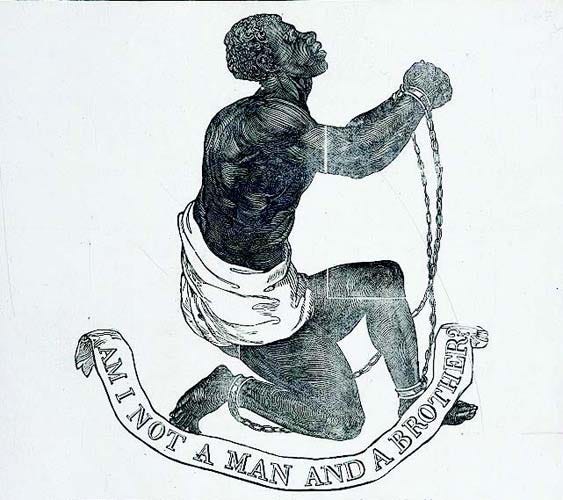

An Unfree Economy Is a Dying One
Slavery has always been a moral catastrophe — but it is also, crucially, an economic one. While defenders of slavery have historically claimed it was indispensable to prosperity, the long-term evidence reveals quite the opposite. Slavery ultimately stifles innovation, concentrates wealth, breeds instability, and creates economic systems that are brittle, exploitative, and unsustainable. A look at American history, the ideological origins of anti-slavery movements, and the modern remnants of forced or coerced labor reveals why systems built on unfree labor are not only ethically bankrupt but economically self-defeating.
Abraham Lincoln, often enshrined as a moral figure in the abolition of slavery, also approached the issue from a pragmatic, economic standpoint. A self-taught lawyer and product of the frontier, Lincoln believed slavery undercut the dignity and opportunity of free labor. His Republican Party — founded in the 1850s — was not just an anti-slavery movement in the moral sense, but a radical economic reorientation. Early Republicans saw slavery as a threat to the economic dynamism of the North, which was built on free labor, small farms, and expanding industrial innovation.
There were clear Marxist undertones in the early Republican critique, though Marxism had not yet become a boogeyman in American discourse. Karl Marx himself praised Lincoln's Emancipation Proclamation and noted that slavery distorted market relations, stifled class mobility, and entrenched aristocratic wealth structures. For both Lincoln and Marx, slavery wasn't just an evil — it was bad economics. Slavery made labor cheap but also made it immobile, unincentivized, and deeply inefficient. It suppressed wages for free workers, discouraged technological innovation (why invent machines when people are free to exploit?), and created an economy that prioritized capital control over human productivity.
Even in its heyday, slavery was economically unsound outside of a very narrow elite. Southern plantation wealth was concentrated in the hands of a few, and the region lagged far behind the North in infrastructure, education, and industrial growth. It was a system built not on productivity, but on dominance and fear. After the Civil War, the South's economy collapsed — not because slavery was abolished, but because it had been built with no resilience or innovation. A labor system based on coercion cannot adjust to shocks or change; it can only persist through violence and repression.
Today, slavery wears new clothes. It exists in the form of forced labor in supply chains, prison labor paid pennies per hour, and in exploitative gig work and debt bondage across the globe. From the cocoa fields of West Africa to sweatshops in Southeast Asia, and even inside U.S. borders, people are still being trapped in labor systems where freedom is a myth and survival is the only wage.
Modern economic systems that rely on these conditions — low-cost fast fashion, tech industry minerals, or private prisons — mimic the same patterns of the past. They offer cheap labor and high margins in the short term but depend on structural inequality, political corruption, and environmental degradation. They kill upward mobility. They kill entrepreneurship. They kill freedom. Most of all, they kill the kind of sustainable, inclusive economy that benefits broad swaths of society.
An economy dependent on exploitation is inherently unstable. Wealth accumulates in fewer hands, consumption weakens, and inequality fuels political chaos. Look at the Gilded Age. Look at the Great Depression. Look at our present: an era marked by record corporate profits alongside food insecurity, housing crises, and stagnant wages. Slavery may appear profitable to a few, but it ultimately suppresses the full productive capacity of a society.
Slavery — past or present — represents the absolute commodification of the human being. And commodification erodes value. It suppresses creativity, silences voices, and replaces innovation with extraction. It leads to revolt, decay, and collapse. What a free labor economy offers — opportunity, mobility, adaptation, and dignity — isn't just morally superior; it's more resilient, more innovative, and ultimately more profitable in a real, sustainable sense.
Lincoln and the early Republicans understood something we must remember: you cannot build a thriving economy on the backs of the enslaved. Whether the chains are made of iron or poverty, of lashes or gig contracts, the effect is the same — a brittle economy where too many are locked out of real participation.
Slavery didn't die with the 13th Amendment. It evolved. But so too must our commitment to economic justice. A living wage, labor protections, ethical supply chains, and systems that prioritize people over profit are not luxuries — they are the minimum requirements for an economy that works. Not just for the few, but for all.