
Let's start with a hard truth:
Most "personal branding" advice makes people sound like they're applying for a job at LinkedIn.
You've seen it:
"Passionate about leveraging synergistic cloud solutions to drive impact."
"Empowering users through value-driven enablement strategy."
"Let's connect."
Look — if that's how you talk in real life, fine. But I doubt it. And more importantly: your audience does too.
Your Brand Voice Is Not Your Resume
It's not about sounding smart. It's about sounding like you actually exist.
When someone reads your post, your portfolio, or your "About Me" section, they should feel like they just heard you talk — not like they just sat through a keynote they didn't ask for.
So What Is Brand Voice, Then?
It's not a tagline. It's not your logo. It's not your font.
It's how people feel after reading your stuff. It's what sticks after they click away.
Your brand voice is the tone, rhythm, and honesty that makes your content recognizable — and trustworthy — even without your name on it.
How I Found Mine (Hint: I Didn't Try to Be Inspirational)
When I finally stopped trying to sound like a "Salesforce thought leader," something funny happened:
- More people read my posts
- More people reached out
- I didn't cringe reading my own writing
Why? Because I finally sounded like… me.
Dry. A little sarcastic. Clear. The guy who admits branding makes him irrationally angry, but still tells you why you need it.
Want to Find Your Voice? Try This:
1. Write Like You Talk. Then Clean It Up.
Start by saying it out loud like you'd explain it to a friend. Then edit for clarity — not to make it fancier.
2. Delete Every Buzzword You Don't Say IRL
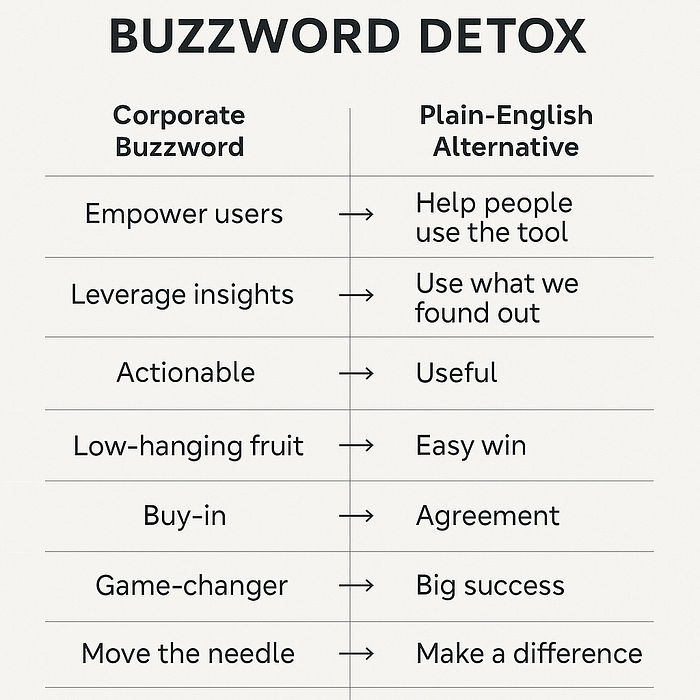
If you've never said "synergy" in a sentence, don't start now. Same goes for "empowering stakeholders," "impactful enablement," or "robust CRM optimization."
3. Decide on 3 Brand Adjectives
Pick three words you want your posts to feel like. Mine are:
- Clear
- Direct
- Slightly exhausted
Now write like that.
4. Stop Writing to Impress. Start Writing to Be Understood.
Your audience is not your certification proctor. They're just people — hiring managers, career changers, maybe future teammates. Talk to them, not to "the algorithm."
For Salesforce Learners: This Is Extra Important
You're not just showing off skills. You're building trust before someone meets you.
A strong brand voice makes your Trailhead posts sound human. It makes your portfolio feel real. It helps you stand out without yelling.
Because plenty of people can configure an Opportunity Stage Path. But very few can explain it in a way that feels like they actually used it — and enjoyed the process enough to teach it.
Final Reminder: You're Allowed to Be a Person
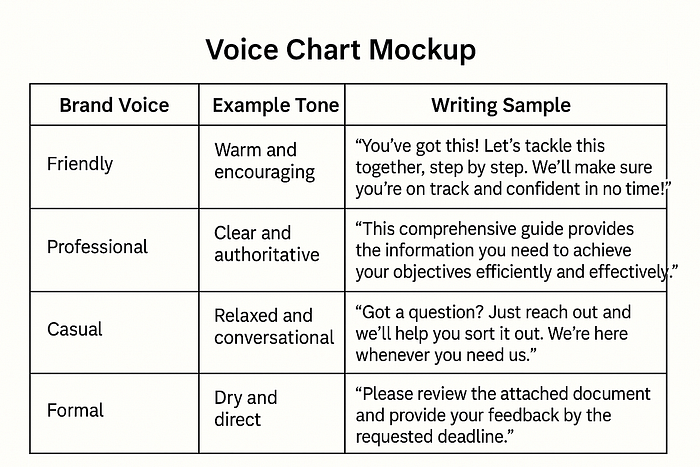
Your brand voice doesn't have to be "motivational." It can be quirky, introverted, blunt, or casual — as long as it's yours and it shows up consistently.
Write how you talk. Own your tone. People don't follow perfect voices. They follow familiar ones.
About the Author:
Jeremy Carmona transitioned from journalism to Salesforce, earning 12 certifications along the way. He helps others navigate their Salesforce journey through Clear Concise Consulting.
For more insights on Salesforce careers, Salesforce strategy, and personal growth, follow me here. And remember — your story is just beginning.